
Did you know that over 50% of websites fail to rank effectively because search engines cannot crawl their pages efficiently? This staggering statistic highlights the importance of creating a clear roadmap for search engine bots. Without a structured approach, your website risks being overlooked in search results.
An intelligently constructed sitemap acts as a guide for search engines, ensuring they can easily navigate and index your content. By providing a detailed and organised pathway, you enhance your site’s visibility and improve its chances of ranking higher. This is where the combination of advanced technology and customised sitemaps comes into play.
Using tools that automate the process ensures your sitemap adheres to best practices. This not only saves time but also guarantees compliance with search engine requirements. The result? A website that is fully optimised for crawling and indexing, leading to better organic traffic and improved user experience.
Key Takeaways
- A well-structured sitemap helps search engines crawl your site more effectively.
- Advanced tools can automate the creation and maintenance of sitemaps.
- Providing detailed sitemap markup improves indexation efficiency.
- Smart integration of technology enhances your website’s visibility.
- Compliance with best practices ensures better search engine performance.
Introduction to AI & XML Sitemaps
Understanding the basics of sitemaps is crucial for improving your site’s visibility. These structured maps act as a guide for search engines, ensuring they can efficiently navigate and index your content. Without a clear roadmap, your website risks being overlooked in search results, making sitemaps an essential tool for any site owner.
Why Sitemaps are Essential for Your Website
Search engines rely on sitemaps to locate and rank your content effectively. By providing a detailed list of URLs, you help engine bots understand your site’s structure. This is particularly important for large websites or those with complex hierarchies, where pages might otherwise remain hidden.
Including metadata such as update frequency and URL priority further enhances this process. For example, search engines can prioritise recently updated pages, ensuring your latest content is indexed promptly. This not only improves your site’s crawlability but also boosts its chances of ranking higher in search results.
The Role of Advanced Technology in Modern SEO Practices
Modern SEO practices have evolved with the integration of advanced tools. These tools automate the creation and maintenance of sitemaps, ensuring they adhere to best practices. For instance, they can dynamically update your sitemap whenever new pages are added, saving you time and effort.
Additionally, these tools provide insights into your site’s performance, helping you identify areas for improvement. By leveraging such technology, you can ensure your site remains fully optimised for search engine crawling and indexing. This is particularly beneficial for websites with daily updates or extensive content libraries.
For a deeper understanding of how sitemaps function as a structured roadmap for a website, explore this comprehensive guide. It highlights the importance of metadata and how it aids in content discovery and indexing.
Understanding the Role of XML Sitemaps in SEO

Your website’s visibility in search results depends on how well search engines can interpret its structure. A well-crafted sitemap provides the necessary information for bots to navigate and index your content efficiently. Without this, your site risks being overlooked, no matter how valuable its content may be.
How Web Crawlers Interpret Sitemap Markup
Search engine bots rely on sitemap markup to understand your site’s hierarchy. This markup includes details like URL priority and update frequency, which help bots prioritise pages. For example, a homepage marked with a priority of 1.0 is crawled more frequently than a blog post with a lower priority.
This systematic approach ensures that high-priority pages are indexed first, improving their chances of appearing in search results. By providing clear instructions, you make it easier for bots to discover and rank your content accurately.
The Importance of Structured Data for Indexation
Structured data within a sitemap enhances indexation by offering precise information about your site’s content. Bots use this data to identify key pages, such as those updated recently or flagged as high priority. This is particularly useful for dynamic content, where update frequencies and change history play a crucial role.
Adhering to best practices in sitemap creation ensures that your site remains fully optimised for crawling and indexing. This not only improves your site’s performance but also boosts its visibility in search engines.
How AI XML Sitemap Optimization Can Transform Your Site

The way search engines interact with your site can make or break its success. By leveraging advanced tools, you can guide bots more efficiently and ensure your pages are indexed correctly. This not only improves visibility but also enhances your site’s overall performance.
Leveraging On-Page.ai for Effective Crawl Guidance
Webmasters can use tools like On-Page.ai to streamline the creation and maintenance of sitemaps. This platform analyses your site’s structure, highlighting high-value pages that deserve priority. For example, it can dynamically adjust sitemap configurations based on new content or updates, ensuring bots always have the latest information.
This approach saves time and ensures compliance with search engine requirements. It’s a valuable resource for anyone looking to improve their site’s crawl efficiency.
Implementing Best Practices for Smart Indexation
To maximise indexation accuracy, start by including a link to all high-value pages in your sitemap. Prioritise pages that are frequently updated or have high traffic. This ensures bots focus on the most important content first.
Another way to enhance indexation is by using structured data. This provides bots with clear instructions, making it easier for them to understand your site’s hierarchy. By following these steps, you can transform your site’s SEO performance and achieve better rankings.
Comparing Sitemap Types: SML, XML and HTML
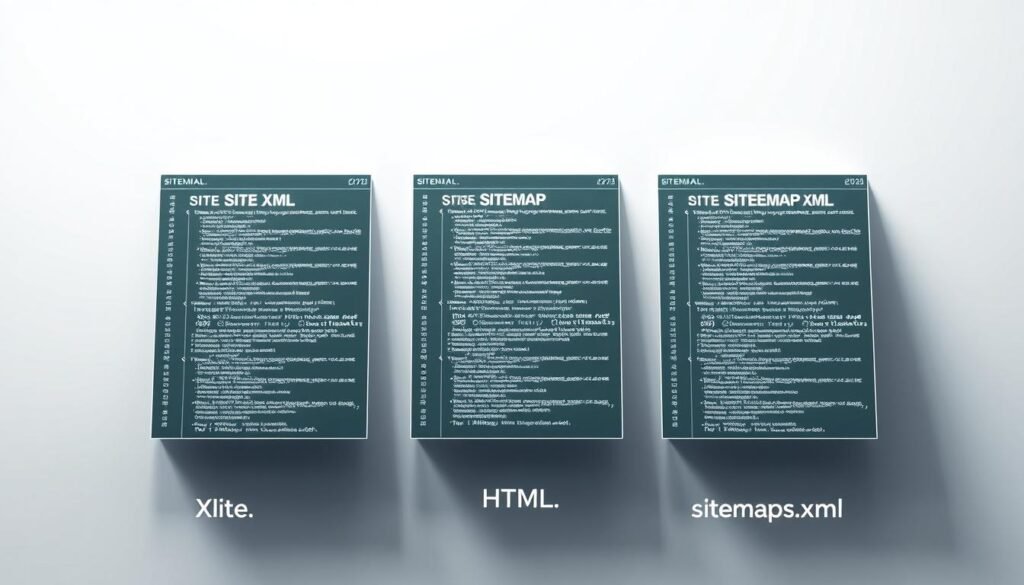
Choosing the right sitemap format can significantly influence how search engines interact with your site. Each type—SML, XML, and HTML—offers unique benefits and is suited to different needs. Understanding these differences ensures your site is indexed efficiently and ranks well in search engine results.
Advantages of Using SML Sitemaps
SML sitemaps provide granular control over your site’s structure, making them ideal for prioritising product pages or other high-value content. Unlike traditional formats, SML allows you to specify detailed metadata, such as update frequency and priority levels. This ensures that search engines allocate your crawl budget effectively, focusing on the most important pages first.
For example, an e-commerce site can use SML to highlight new product launches, ensuring they are indexed quickly. This level of control is particularly useful for dynamic sites with frequent updates. By guiding bots more precisely, SML sitemaps enhance the likelihood of your pages being indexed promptly.
Differences Between XML and HTML Sitemaps
XML and HTML sitemaps serve different purposes. XML sitemaps are designed for search engines, providing a structured list of URLs for bots to crawl. They include metadata like last modified dates and priority levels, which help bots allocate resources efficiently. This is crucial for ensuring your crawl budget is used wisely.
HTML sitemaps, on the other hand, are user-facing. They act as a guide for visitors, helping them navigate your site easily. While they don’t directly influence crawling, they improve user experience, which can indirectly boost your SEO performance.
For instance, an XML sitemap might prioritise a product page for indexing, while an HTML sitemap ensures users can find it quickly. Both formats are essential but serve distinct roles in enhancing your site’s visibility and usability.
For more on managing multiple sitemaps, check out this comprehensive guide.
Implementing Best Practices for XML Sitemap Creation

Creating an effective sitemap is a cornerstone of ensuring your website is fully discoverable by search engines. By following best practices, you can streamline the process and improve your site’s performance. This section will guide you through the essential steps to achieve this.
Utilising Tools and Plugins for Automation
Automating sitemap creation saves time and ensures accuracy. Tools like Yoast SEO simplify the process by generating sitemaps dynamically. These plugins automatically update your sitemap whenever new pages are added, ensuring it always reflects your site’s current structure.
For example, Yoast SEO analyses your site’s content and prioritises high-value pages. This ensures that search engine bots focus on the most important content first. Automation also reduces the risk of errors, making it a reliable solution for maintaining an up-to-date sitemap.
Correct Use of Meta Tags and Canonical URLs
Meta tags and canonical URLs play a crucial role in preventing duplicate content issues. Meta tags provide search engines with additional information about your pages, such as descriptions and keywords. This helps bots understand your content better, improving its chances of being indexed correctly.
Canonical URLs, on the other hand, specify the preferred version of a page when duplicates exist. For instance, if you have multiple URLs for the same product, a canonical tag ensures that search engines index the primary version. This prevents dilution of your site’s visibility and ensures a streamlined crawl process.
By implementing these strategies, you can enhance your site’s performance and ensure it remains fully optimised for search engine bots. This not only improves visibility but also boosts overall user experience.
Optimising Crawl Budget and Enhancing Page Indexation

Managing your website’s crawl budget effectively is key to ensuring your most important pages are indexed promptly. A well-structured approach not only improves visibility but also maximises the efficiency of search engine bots. By focusing on high-quality content and addressing dynamic or duplicate pages, you can significantly enhance your site’s performance.
Strategies for Prioritising High-Quality Pages
To make the most of your crawl budget, start by identifying pages that add significant value. These could include product pages, blog posts, or landing pages that drive traffic. Tools like Google Analytics can help pinpoint high-performing content.
Once identified, ensure these pages are prioritised in your sitemap. Use metadata like update frequency and priority levels to guide bots effectively. This ensures your website page with the most relevance gets indexed first, improving overall indexation.
Handling Dynamic Content and Duplicate Pages
Dynamic content, such as news articles or frequently updated blogs, can pose challenges for search engines. To address this, use structured data to signal changes and ensure bots revisit these pages regularly. This keeps your content fresh and relevant in search results.
Duplicate pages, on the other hand, can waste your crawl budget. Implement canonical tags to specify the preferred version of a page. This prevents bots from indexing multiple versions, ensuring your sitemap provide a clear pathway for crawling.
For more insights on crawl budget optimisation, explore this comprehensive guide. It highlights practical strategies to improve your site’s crawl efficiency and overall performance.
Real-World Applications of Advanced Sitemap Strategies

Advanced sitemap strategies are not just theoretical—they deliver real-world results across industries. From e-commerce platforms to news publications, these techniques have proven their worth in enhancing visibility and speeding up indexation. Let’s explore how these strategies are applied in practice.
E-commerce Website Case Studies
E-commerce sites often struggle with product visibility due to their vast inventories. By implementing advanced sitemap strategies, businesses can ensure their products are discovered quickly. For example, one leading online retailer used dynamic sitemaps to prioritise new product launches. This approach helped their crawler focus on high-value pages, resulting in a 40% increase in organic traffic within three months.
Another case involved an e-commerce platform that automated its sitemap submission process. By regularly updating their sitemap, they ensured their search engine page presence remained optimal. This not only improved indexation but also boosted sales by 25%.
News Publications and Rapid Content Indexation
For news websites, timely indexation is critical. A major publication adopted dynamic XML sitemaps to ensure their latest articles were indexed within minutes. This strategy allowed their crawler to prioritise fresh content, leading to a 30% faster indexation rate compared to competitors.
High-quality tagging and structured data also played a crucial role. By using detailed metadata, the publication improved its crawl efficiency. This resulted in a 20% increase in user engagement, as readers could access breaking news faster.
For more insights on best practices for optimising XML sitemaps, explore this comprehensive guide. It highlights how these strategies can transform your site’s performance.
Conclusion
To maximise your website’s potential, adopting advanced strategies is essential. Structured sitemaps and the correct use of markup language ensure search engines can crawl and index your content efficiently. Prioritising page important elements, such as an individual product page, helps bots focus on high-value content.
Tools like On-Page.ai streamline this process, saving time and improving accuracy. By implementing these techniques, you enhance your site’s crawlability and overall performance. Regularly updating your sitemap and using metadata ensures your content remains fresh and relevant.
Start optimising your sitemap strategies today. Explore this guide for more insights. With the right approach, you can transform your website’s visibility and achieve long-term success.
FAQ
Why are sitemaps essential for my website?
Sitemaps help search engines like Google understand your site’s structure. They ensure your pages are discovered and indexed efficiently, improving your site’s visibility in search results.
How does AI improve modern SEO practices?
AI tools analyse data to optimise content, improve crawl efficiency, and enhance user experience. They help you stay ahead by adapting to search engine algorithm changes.
What is the role of structured data in indexation?
Structured data helps web crawlers interpret your content accurately. It ensures your pages are categorised correctly, boosting their chances of appearing in relevant search results.
How can I optimise my crawl budget effectively?
Focus on prioritising high-quality pages and removing duplicate content. Use tools to monitor crawl activity and ensure search engines spend time on your most important pages.
What are the differences between XML and HTML sitemaps?
XML sitemaps are designed for search engines, listing URLs for indexing. HTML sitemaps are user-friendly, helping visitors navigate your site easily.
How do I handle dynamic content in sitemaps?
Use tools or plugins to generate sitemaps automatically for dynamic content. Ensure canonical URLs are set correctly to avoid duplicate content issues.
Can sitemaps improve e-commerce site performance?
Yes, sitemaps ensure product pages are indexed quickly, improving visibility. They also help manage large inventories by guiding crawlers to new or updated content.
What tools can I use to automate sitemap creation?
Plugins like Yoast SEO or tools like Screaming Frog can automate sitemap generation. They save time and ensure your sitemap stays up-to-date.
Source Links
- Technical SEO for SaaS Websites: Your Complete Guide
- What is Hreflang SEO? Best Practices To Rank Globally in 2025
- HTML Sitemap vs XML Sitemap: Which is Better for Your Website
- Sitemaps | Adobe Experience Manager
- Adding Static Sitemaps in Angular Apps for better SEO and Google Indexing
- AIOSEO vs. SEOPress: Our Deep Dive Reveals the SEO Plugin Winner!
- Optimizing Search Presence with an Enterprise SEO Platform | ResultFirst
- E-commerce Technical SEO Audit Checklist 2025
- Vertex AI Agent Builder release notes
- Rank Math SEO – AI SEO Tools to Dominate SEO Rankings
- How to Get a Sitemap on Squarespace – Easy Guide
- What Is SEO? Learn the Essentials of Search Engine Optimization
- Technical SEO Basics
- Optimize Your SaaS Website: 6 Elements for Better Conversions
- SEO Basics
- Complete Technical SEO Checklist to Boost Site Visibility in 2025
- What Is A Robots.txt File? Best Practices For Robot.txt Syntax
- Technical SEO: The Definitive Guide for Digital Marketers
- No title found
- Yoast SEO
- B2B SEO: How to Build a Successful SEO Strategy for B2B Companies
- Best Agency SEO Software to Boost Website Performance in 2025 — SitePoint