Did you know that up to 70% of website visitors abandon their carts before completing a purchase? This staggering statistic highlights a common challenge for businesses: retaining users who are about to leave. Fortunately, innovative solutions like exit-intent popups are transforming this scenario.
These popups are designed to engage users at the precise moment they intend to leave, offering them a compelling reason to stay. According to industry data, they can recover 10-15% of lost visitors, significantly boosting conversion rates. By combining advanced technology with strategic design, businesses can turn potential losses into valuable opportunities.
In this article, we’ll explore how modern tools can detect user behaviour in real-time, helping you create effective strategies to reduce bounce rates. From technical insights to practical tips, you’ll discover how to make the most of this powerful approach.
Key Takeaways
- Exit-intent popups can recover up to 15% of abandoning visitors.
- Modern technology helps detect user behaviour in real-time.
- Combining strategic design with technology enhances conversion rates.
- Personalised popups improve user engagement and retention.
- Effective popups can significantly reduce bounce rates.
The Concept of Exit-Intent Technology
Ever wondered how websites know when you’re about to leave? This is where exit-intent technology comes into play. It’s a clever tool designed to re-engage users just as they’re about to abandon a page. By detecting specific behaviours, it triggers a popup that can offer discounts, reminders, or other incentives to stay.
Defining Exit-Intent Popups
Exit-intent popups are messages that appear when a visitor shows signs of leaving a website. These signs include moving the cursor towards the browser’s close button or navigating away from the page. The goal is to provide a last-minute reason for the user to stay, such as a special offer or a reminder of items left in their cart.
How Exit-Intent Detects Abandonment
The technology behind exit-intent popups is both sophisticated and non-intrusive. It tracks user actions like cursor movements, scroll behaviour, and time spent on the page. When these actions indicate an impending exit, the popup is triggered. This ensures the message is timely and relevant, increasing the chances of re-engagement.
For example, on a product page, the popup might offer a discount if the user hesitates before leaving. On a landing page, it could encourage signing up for a newsletter. The key is to tailor the message to the context, making it feel helpful rather than disruptive.
Customisation is another crucial aspect. Businesses can design these popups to match their branding and tone. This not only enhances the user experience but also strengthens the overall design of the website. By combining technology with thoughtful messaging, exit-intent popups can turn potential losses into valuable opportunities.
How AI Enhances Exit-Intent Popups

Have you ever noticed how some websites seem to know exactly when you’re about to leave? This is where advanced tools come into play, offering a smarter way to engage users. By analysing real-time behaviour, these tools can trigger popups that feel timely and relevant, significantly improving user experience.
Real-Time Behaviour Tracking
Modern algorithms track every move a visitor makes on your site. From cursor movements to scroll patterns, these tools gather data to predict when someone is likely to leave. This allows for precise timing of popups, ensuring they appear at the most effective moment.
For instance, if a user hesitates on a product page, a discount offer might appear. This level of detail in tracking behaviour helps businesses tailor their marketing strategies to individual actions, increasing the chances of conversion.
Personalised User Engagement
Personalisation is key to effective engagement. By using data analytics, these tools can craft messages that resonate with each visitor. Whether it’s a reminder about items left in a cart or an exclusive offer, the content feels tailored to the user’s needs.
This approach not only enhances the user experience but also improves lead capture. For example, a personalised popup might encourage signing up for a newsletter by highlighting benefits specific to the visitor’s interests. This dynamic adjustment of strategies ensures higher conversion rates and better customer retention.
To learn more about how these tools can transform your marketing efforts, explore this detailed guide.
Leveraging AI exit intent SEO Tools
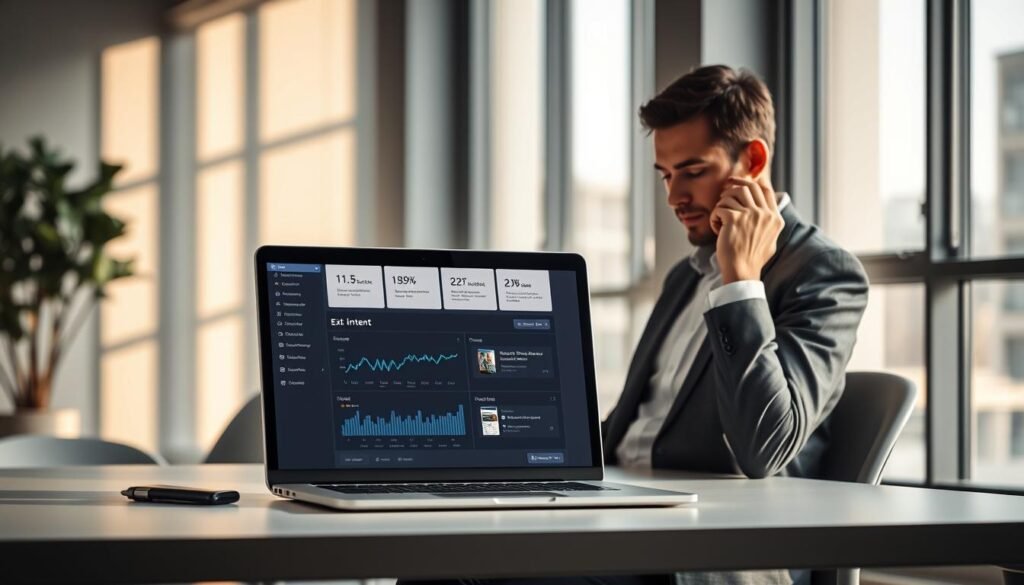
Discover how advanced tools can transform your website’s performance. These solutions are designed to help you create and implement effective exit-intent popups. By integrating the right software, you can turn potential exits into valuable conversions.
One of the key features of these tools is their ability to use customisable triggers. This means you can set specific actions, like cursor movements or scroll behaviour, to activate popups. Advanced segmentation also allows you to target different user groups with tailored messages.
Integrating such software provides actionable information to improve your site’s performance. For example, platforms like ConvertPath and OptinMonster offer robust solutions that seamlessly align with your marketing strategies. These tools not only enhance efficiency but also ensure data accuracy.
Using dedicated tools can significantly increase your marketing effectiveness. They help you understand user behaviour better and deliver personalised experiences. This approach not only reduces bounce rates but also boosts overall engagement.
Popular platforms like ConvertPath and OptinMonster have proven their effectiveness in real-world scenarios. Case studies show that businesses using these tools have seen a noticeable improvement in conversion rates. By leveraging these solutions, you can stay ahead in the competitive digital landscape.
Designing Engaging and Non-Intrusive Popups

Creating pop-ups that engage without annoying users is an art. The key lies in balancing visibility with non-intrusiveness. A well-designed pop-up can enhance user experience while driving conversions. Let’s explore the best practices to achieve this balance.
Best Practices for Layout and Timing
Timing is crucial when displaying pop-ups. Triggering them too early can frustrate users, while delaying them might miss the opportunity to engage. Implementing scroll triggers or delays ensures the pop-up appears at the right time.
For example, a pop-up triggered after a user scrolls 50% of the page is more likely to be effective. This approach respects the user’s journey while offering relevant content.
User-Centred Design Elements
Design plays a pivotal role in the success of pop-ups. A clean layout with a clear call-to-action button ensures users know what to do next. Avoid clutter and focus on delivering value through concise messaging.
User-centred design also means making pop-ups easy to dismiss. A visible close button ensures users don’t feel trapped. This small detail can significantly improve user experience.
Here’s a quick comparison of effective vs. ineffective pop-up designs:
| Feature | Effective Design | Ineffective Design |
|---|---|---|
| Timing | Triggered after 50% scroll | Appears immediately |
| Layout | Clean, clear call-to-action | Cluttered, confusing |
| Dismissal | Visible close button | Hard to find close option |
By focusing on these elements, you can create pop-ups that engage users without disrupting their experience. Remember, the goal is to add value, not to interrupt.
Strategies to Reduce Bounce Rates Using AI

Understanding why visitors leave your site is the first step to keeping them engaged. By analysing their behaviour, you can identify patterns that lead to higher bounce rates. This insight allows you to create targeted strategies that address these issues effectively.
Studies have shown that detailed insights into visitor behaviour can dramatically reduce bounce rates. For example, if users frequently leave after viewing a specific page, it might indicate a lack of engaging content or a poor user experience. Addressing these issues can significantly improve your website’s performance.
Analysing Visitor Behaviour
To reduce bounce rates, start by understanding why users leave. Tools that track behaviour can provide valuable data, such as how long users stay on a page or where they click. This information helps you identify common triggers for exits.
For instance, if users often abandon their carts, you might offer a discount or reminder to encourage them to complete their purchase. By addressing these triggers, you can keep visitors engaged and improve your conversion rate.
Strategies to Keep Visitors Engaged
Once you understand why users leave, you can implement strategies to keep them on your website. Attention-grabbing offers, such as discounts or free shipping, can be highly effective. Timely messages, like reminders about items left in a cart, also help reduce bounce rates.
Another approach is to improve the user experience by optimising page load times and ensuring mobile compatibility. These changes can make your site more appealing and encourage users to stay longer.
Optimising Conversion Rates
Better user engagement directly impacts your conversion rate. By keeping visitors on your site longer, you increase the chances of them making a purchase or signing up for a service. Personalised messages and offers can further enhance this effect.
For example, a study found that websites using targeted strategies saw a 15% reduction in bounce rates. This improvement led to a noticeable increase in overall conversions, demonstrating the power of understanding and addressing user behaviour.
By focusing on these strategies, you can create a more engaging experience for your visitors, reduce bounce rates, and ultimately improve your website’s performance.
Recovering Abandoned Carts with AI Popups
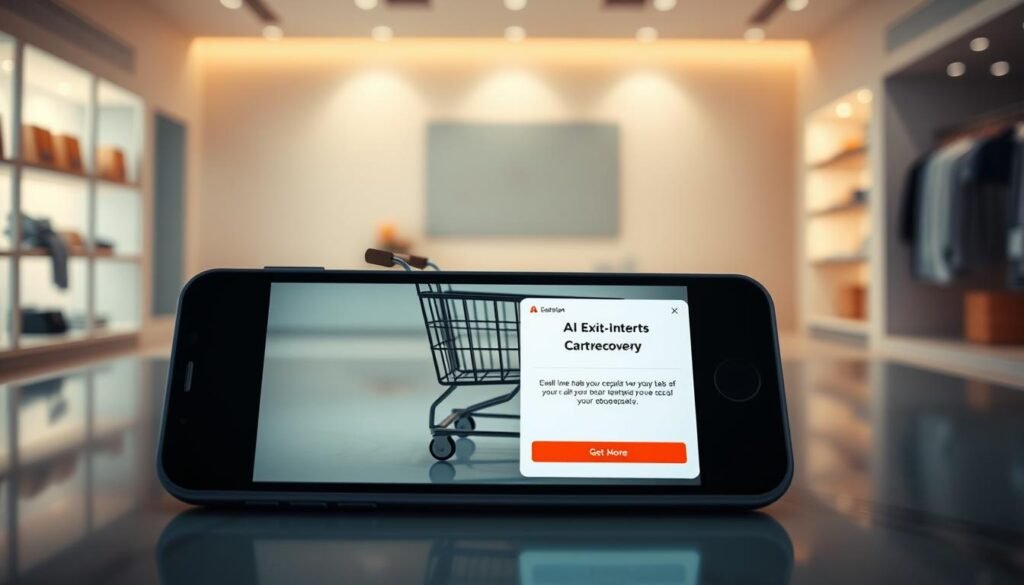
Cart abandonment remains a significant hurdle for eCommerce businesses, but innovative solutions are turning the tide. By leveraging advanced tools, you can re-engage customers who leave their carts unfinished, transforming potential losses into completed purchases.
Customer Re-engagement Techniques
One of the most effective ways to recover abandoned carts is through timely reminders. Sending a personalised message within an hour of abandonment can significantly increase recovery rates. For example, a simple reminder about the items left in the cart can prompt the customer to return and complete their purchase.
Another strategy is to use dynamic product ads. These ads display the exact items the customer left behind, making it easier for them to revisit their cart. This approach not only re-engages but also simplifies the process of completing the transaction.
Offer Optimisation Tactics
Offering incentives is a proven way to encourage customers to finalise their purchases. Time-sensitive discounts, such as 10% off if the order is completed within 15 minutes, create a sense of urgency. Free shipping for orders above a certain amount is another effective offer that can reduce hesitation.
Personalisation plays a crucial role here. Tailoring the offer to the customer’s preferences or browsing history can make it more compelling. For instance, suggesting complementary products or highlighting positive reviews can enhance trust and encourage completion.
For more insights on abandoned cart recovery strategies, explore this detailed guide. By implementing these techniques, you can significantly reduce cart abandonment and boost your conversion rates.
Enhancing Conversion Rates Through Exit-Intent Campaigns

Maximising your website’s potential often hinges on how well you engage visitors at critical moments. Exit-intent campaigns are a powerful tool to re-engage users who are about to leave, directly boosting your conversion rates. By offering timely incentives or reminders, you can turn potential exits into valuable opportunities.
Email List Building Strategies
Building a robust email list is essential for long-term success. Exit-intent popups can be tailored to encourage visitors to subscribe. For instance, offering a free template or exclusive content can entice users to share their contact details.
Here’s a quick example: A blog offering a downloadable guide on “10 Tips for Better Productivity” saw a 25% increase in email sign-ups. This approach not only grows your list but also provides value to your audience.
Effective A/B Testing Methods
Refining your campaigns through A/B testing ensures optimal performance. Test different message copies, designs, and offer placements to see what resonates best. For example, one template might focus on discounts, while another highlights exclusive content.
Case studies reveal that businesses using A/B testing saw a 15% improvement in conversion rates. This method allows you to continuously improve your campaigns based on real data.
| Element | Version A | Version B |
|---|---|---|
| Message Copy | “Get 10% off now!” | “Sign up for exclusive deals!” |
| Design | Minimalist layout | Bold, colourful design |
| Offer Placement | Top of the popup | Bottom of the popup |
By leveraging these strategies, you can create campaigns that not only reduce bounce rates but also enhance user engagement. Regularly updating your blog with insights and examples ensures your campaigns remain fresh and effective.
SEO Impact and Best Practices for Exit Intent Popups
Understanding the balance between user engagement and technical performance is crucial for modern websites. While pop-ups can be effective tools for re-engaging visitors, their implementation must align with search engine guidelines to avoid penalties. Let’s explore how to optimise these elements for better results.
Optimising Loading Speed and Performance
Google’s guidelines emphasise that pop-ups should not hinder a website’s loading speed. Slow-loading pages can frustrate users and negatively impact your search rankings. To maintain performance, ensure your pop-up scripts are lightweight and optimised.
For example, minimise the use of heavy images or complex animations in your pop-up design. Compress assets and use asynchronous loading to prevent delays. A delay of just 100 milliseconds can reduce conversions by 7%, so every second counts.
Mobile-First Popup Strategies
With over 53% of mobile users abandoning sites that take longer than three seconds to load, mobile optimisation is essential. Ensure your pop-ups occupy a reasonable screen space and include an easy-to-use close button. This improves the overall experience for mobile visitors.
Google penalises intrusive interstitials on mobile devices, so keep your designs simple and user-friendly. For instance, a floating tab or a small banner is less disruptive than a full-screen overlay.
“Pop-ups should enhance the user experience, not detract from it. Focus on delivering value without compromising performance.”
Here’s a quick comparison of optimised vs. non-optimised pop-ups:
| Feature | Optimised Pop-up | Non-Optimised Pop-up |
|---|---|---|
| Loading Speed | Lightweight scripts, fast loading | Heavy assets, slow loading |
| Mobile Design | Small, easy to dismiss | Full-screen, hard to close |
| User Experience | Non-intrusive, value-driven | Disruptive, frustrating |
By following these best practices, you can create pop-ups that improve engagement without compromising your website’s performance. Remember, a seamless user experience is key to maintaining strong search rankings.
Integrating AI in Your Marketing Automation
Streamlining your marketing efforts with advanced tools can significantly enhance customer engagement. By integrating AI into your automation systems, you can create more personalised and efficient campaigns. This approach not only saves time but also improves the overall user experience.
One of the key benefits of this integration is the ability to deliver tailored content based on user data. Automated systems can analyse behaviour patterns to trigger relevant popups at the right moment. This ensures that your messages are timely and impactful.
To synchronise popup content with broader campaigns, consider aligning your messaging across all channels. For example, if you’re running a seasonal promotion, ensure that your popups reflect the same offers and visuals. Consistency helps reinforce your marketing message.
Visual elements, such as images, play a crucial role in creating engaging popups. A well-designed image can capture attention and convey your message more effectively than text alone. Ensure that your visuals are high-quality and relevant to the user’s context.
Successful integration strategies often involve combining automation with exit-intent technology. For instance, businesses that use AI-driven tools to analyse user behaviour see higher engagement rates. These tools allow you to deliver personalised experiences that resonate with your audience.
For more insights on how to leverage AI in your marketing strategies, explore this detailed guide. By adopting these techniques, you can create more effective campaigns and improve your overall marketing performance.
Case Studies and Success Stories
Businesses across industries are witnessing remarkable results by implementing tailored strategies. Real-life examples from ConvertPath and OptinMonster illustrate how effective campaigns drive significant improvements in conversion rates and revenue. These success stories provide valuable insights into the power of precise targeting and clear messaging.
Real-Life Examples of Increased Conversions
One notable case involves an eCommerce store that used ConvertPath to recover abandoned carts. By triggering personalised popups, they saw a 20% increase in completed purchases. Another example is a SaaS company that leveraged OptinMonster to build their email list, resulting in a 15% boost in leads.
These campaigns demonstrate the importance of aligning content with user intent. By offering timely incentives, businesses can turn potential exits into valuable opportunities.
Lessons Learnt from Data-Driven Campaigns
Analysing data from these campaigns reveals key strategies for success. For instance, clear calls-to-action and minimalistic designs consistently yield higher engagement. Additionally, timing plays a crucial role in maximising conversion rates.
One lesson is the value of A/B testing. By experimenting with different messages and layouts, businesses can identify what resonates best with their audience. This approach ensures continuous improvement and better results.
“Data-driven campaigns allow businesses to refine their strategies based on real insights, leading to sustained growth.”
By applying these lessons, you can create campaigns that not only reduce bounce rates but also enhance user engagement. For more information on optimising your strategies, explore these success stories in detail.
Optimising User Engagement and Content Delivery
Engaging your audience effectively requires more than just a catchy headline; it demands personalised interactions and strategic content delivery. By tailoring your approach, you can ensure your message resonates with the right person at the right time.
Personalisation Techniques in Messaging
Personalisation is key to capturing attention. Addressing users by their email address or name creates a sense of familiarity. For example, a popup that says, “Hi [Name], don’t miss out on this exclusive offer!” feels more engaging than a generic message.
Segmenting your audience allows you to deliver more relevant content. By grouping users based on behaviour or preferences, you can craft messages that align with their interests. This approach not only boosts engagement but also increases the likelihood of conversion.
Content Strategy Considerations
Your content strategy should align with your broader marketing goals. For instance, if your aim is to build an email list, offer a free resource in exchange for an email address. This tactic provides value while encouraging user interaction.
Visual elements also play a crucial role. High-quality images or videos can make your message more compelling. According to studies, visuals improve retention rates by up to 65%, making them a powerful tool for engagement.
“Personalisation isn’t just about addressing someone by name; it’s about delivering value that feels tailored to their needs.”
Here are some actionable tips to enhance your strategy:
- Use dynamic content to adapt messages based on user behaviour.
- Test different calls-to-action to see what resonates best.
- Ensure your popups are mobile-friendly for a seamless experience.
By focusing on these techniques, you can create a more engaging experience for your audience. Personalisation and strategic content delivery are not just trends—they are essential for modern marketing success.
Conclusion
In conclusion, data and case studies confirm that advanced tools can significantly reduce bounce rates while adding value to your marketing efforts. By integrating these technologies, you can create a more engaging experience for your visitors, encouraging them to stay longer and convert more often.
One effective way to boost conversions is by offering incentives like free shipping or exclusive discounts. These strategies not only capture attention but also provide a compelling reason for users to complete their actions. Tailored calls to action further enhance this effect, making your pop-ups feel relevant and timely.
To get started, evaluate how these tools can fit into your strategy. Explore available options and consider how they can improve your site’s performance. For more insights on optimising your approach, check out this detailed guide.
By focusing on these best practices, you can turn potential exits into valuable opportunities. Start implementing these strategies today and see the difference they make in your results.
FAQ
What are exit-intent popups?
Exit-intent popups are messages or offers that appear when a visitor shows signs of leaving your website. They are designed to capture attention and encourage engagement before the user exits.
How does exit-intent technology detect abandonment?
Exit-intent technology tracks user behaviour, such as mouse movements or cursor direction towards the close button. When these actions are detected, the system triggers a popup to re-engage the visitor.
How does AI enhance exit-intent popups?
AI improves exit-intent popups by analysing real-time user behaviour and delivering personalised messages. This ensures the content is relevant and increases the chances of conversion.
What are the best practices for designing non-intrusive popups?
Focus on user-centred design, use clear and concise messaging, and ensure the timing of the popup is appropriate. Avoid disrupting the user experience with excessive or poorly timed popups.
How can AI help reduce bounce rates?
AI analyses visitor behaviour to identify patterns and triggers tailored popups that address specific concerns or interests. This helps keep users engaged and reduces the likelihood of them leaving your site.
What strategies can recover abandoned carts using AI popups?
AI popups can offer discounts, free shipping, or personalised recommendations to encourage users to complete their purchase. Timing and relevance are key to successful re-engagement.
How do exit-intent campaigns improve conversion rates?
By delivering targeted offers or messages at the right moment, exit-intent campaigns can persuade visitors to take action, such as subscribing to a newsletter or making a purchase.
What is the impact of exit-intent popups on SEO?
When designed correctly, exit-intent popups can enhance user engagement without negatively affecting site speed or performance. Ensure they are mobile-friendly and optimised for fast loading times.
How can AI be integrated into marketing automation?
AI can automate tasks like behaviour tracking, personalised messaging, and campaign optimisation. This streamlines marketing efforts and improves efficiency.
Are there real-life examples of successful exit-intent campaigns?
Yes, many businesses have seen increased conversions by using AI-driven exit-intent popups. Case studies often highlight improved engagement, higher email sign-ups, and reduced cart abandonment rates.
How can personalisation improve user engagement in popups?
Personalised popups, such as using the visitor’s name or referencing their browsing history, create a more tailored experience. This increases the likelihood of a positive response.
What should be considered in a content strategy for exit-intent popups?
Focus on delivering value, such as exclusive offers or helpful information. Ensure the content aligns with the user’s intent and enhances their overall experience on your site.
Source Links
- Top 10 SaaS SEO Tactics to Drive More Traffic & Signups
- SEO Optimised Content Services | Dezign Digital
- 11 Website Mistakes Costing You Money
- Best Books on Entrepreneurship for Building Your Business Empire in 2025 – AMW®
- 14 Proven SaaS Email Marketing Strategies for Faster Conversions
- Benefits of AI Chatbots – 417 Marketing
- The Ultimate On Page SEO Checklist For 2025 To Increase Rankings
- Push Notification Is Coming to REW CRM!
- 50+ AI Marketing Statistics in 2025: AI Marketing Trends & Insights
- AI In Marketing: Examples And Impact | Martech Zone
- 25 AI Chatbot Statistics Impacting Customer Service
- How to Optimize for Google’s AI Overviews | Position2
- Technical SEO: The Definitive Guide for Digital Marketers
- Answer engine optimization: 6 AI models you should optimize for
- Ways to Improve a Website With AI – MotoCMS Blog
- Semantic SEO: What Is It & How to Optimize
- How to Reduce Shopify Cart Abandonment & Improve Sales (2025)
- AI for Work: 10 Ways AI Can Supercharge Productivity
- Drip Email Campaigns: Best Practices, KPIs, and Examples
- High-Converting Free Popup Maker Maker [No Code]
- Ogilvy Tops WARC Effective 100 & Creative 100 Rankings for Third Straight Year | Ogilvy
- How Marketing Automation Tools Drive More Leads
- Search Engine Land
- How Does AI Impact PPC Campaigns? – IndeedSEO
- How Topical Authority and E-E-A-T Collaborate to Boost Rankings
- The Secret to High-Impact Explainer Videos: How to Engage and Convert Your Audience
- Unlocking Gemini’s Audio Overview for SEO
- OmniSEO™: Organic Visibility Beyond Traditional Search Engines
- The Difference Between ChatGPT And Generative AI
- Ways to Improve a Website With AI – MotoCMS Blog