Did you know that nearly 60% of Google searches in the U.S. and EU result in zero clicks? This surprising statistic highlights a significant shift in how users interact with search engines. Instead of clicking through to websites, people are increasingly relying on immediate answers provided directly on the search result page.
This change is driven by advancements in technology that generate quick, comprehensive responses to queries. For example, Google’s overviews now answer questions directly, reducing the need for users to visit external sites. While this improves the user experience, it also challenges traditional strategies for driving traffic to your website.
In this article, we’ll explore how these shifts are reshaping the digital landscape. You’ll learn practical strategies to adapt your approach, ensuring your content remains visible and valuable in this evolving environment.
Key Takeaways
- Nearly 60% of searches result in zero clicks, changing how users interact with search engines.
- Immediate answers on search result pages reduce the need for website visits.
- Traditional strategies must adapt to remain effective in this new landscape.
- High-quality content and structured data are essential for visibility.
- Tracking metrics like impressions and click-through rates helps measure impact.
Introduction to AI and Zero-Click Searches
Modern search engines are transforming how users find information online. Instead of directing people to external websites, they now provide instant answers directly on the result page. This shift is driven by advanced tools that analyse queries and deliver precise responses in seconds.
The Rise of AI in SEO
Artificial intelligence has become a cornerstone of modern search practices. It powers tools that understand user intent and generate relevant answers. For example, Google’s overviews and featured snippets are AI-driven features that provide quick, accurate information without requiring a click.
While many marketers celebrate these advancements, others worry about the potential loss of organic traffic. As search engines prioritise direct answers, businesses must adapt their strategies to remain visible.
Current Trends in Zero-Click Search
Zero-click searches are on the rise, with users increasingly relying on instant answers. This trend emphasises quality engagement over traditional click-based metrics. Experts suggest focusing on creating high-quality content that aligns with user intent.
For instance, structured data and concise answers can improve your chances of appearing in featured snippets. By understanding these trends, you can leverage AI-powered SEO strategies to stay competitive in this evolving landscape.
What Are Zero-Click Searches?

Have you ever noticed how search engines now answer your questions without needing to visit a website? This phenomenon is known as a zero-click search. It occurs when the search engine provides the answer directly on the result page, eliminating the need for users to click through to a site.
Defining Zero-Click and Zero-Click Content
Zero-click searches are different from traditional search methods. Instead of directing users to external websites, the search engine delivers the information they need instantly. This could be a weather forecast, a definition, or a quick fact.
Zero-click content, on the other hand, is specifically designed to provide immediate value. It’s concise, accurate, and tailored to answer common queries directly on the result page. For example, featured snippets are a form of zero-click content that extracts key information from a webpage and displays it prominently.
Here’s how zero-click searches work:
- The search engine analyses the query and identifies the most relevant information.
- It extracts this data and presents it directly on the result page.
- Users get their answer without needing to click through to a website.
Examples of zero-click searches include:
- Weather updates for your location.
- Definitions of complex terms.
- Quick facts like historical dates or conversion rates.
Understanding the difference between zero-click search and zero-click content is crucial. While the former refers to the user experience, the latter is the material purpose-made for this no-click environment. By creating high-quality, structured content, you can increase your chances of appearing in these featured results.
Understanding AI zero-click SEO automation

In today’s digital landscape, automation is reshaping how businesses approach search engine strategies. By leveraging advanced tools, you can streamline content optimisation and adapt to evolving trends. This section explores the benefits of automation and the tools that make it possible.
Benefits of Automation in SEO
Automation offers several advantages for modern search strategies. First, it reduces the manual workload, allowing you to focus on high-level tasks. Second, it improves accuracy by analysing data in real time. Finally, it helps you adapt quickly to changes in search engine algorithms.
For example, tools can optimise structured data and schema markup, increasing your chances of appearing in featured snippets. This not only enhances visibility but also drives traffic to your site. By automating repetitive tasks, you can stay ahead in a competitive digital environment.
Tools to Implement AI Automation
Several industry-standard tools can help you implement automation effectively. These tools analyse user intent, optimise content, and track performance metrics. Below is a table highlighting some of the most effective options:
| Tool | Features |
|---|---|
| Helium SEO | Real-time data analysis, structured data optimisation |
| SparkToro | Audience insights, keyword tracking |
| ClickUp | Automated tracking, visibility alerts |
By integrating these tools into your strategy, you can enhance your search engine performance. For instance, AI-powered chatbots can improve user engagement and reduce bounce rates. Similarly, tools like Helium SEO can help you optimise for AI Overviews, ensuring your content remains visible in a changing digital landscape.
Impact of Zero-Click Search on Organic Traffic

The rise of immediate answers on search engines is reshaping how businesses measure success. Studies by Rand Fishkin and Semrush reveal that zero-click results have reduced organic traffic by 15-25% in some sectors. This shift is altering the traditional flow of traffic, as users increasingly rely on quick answers rather than navigating to websites.
Shifts in Consumer Behaviour
Consumer behaviour has evolved significantly. Users now prefer instant answers over visiting multiple sites. This change is driven by the convenience of getting information directly on the search result page. For example, major brands like Hubspot have noted a decline in website visits despite increased visibility.
This trend highlights the importance of creating content that aligns with user intent. By focusing on concise, high-quality answers, you can improve your chances of appearing in featured snippets. This not only enhances visibility but also ensures your content remains relevant in a no-click environment.
Recalibrating Traffic Metrics
Traditional metrics like click-counts are no longer sufficient. Instead, businesses must focus on quality engagement metrics and conversion rates. For instance, tracking impressions and user intent can provide deeper insights into how your content performs.
As zero-click search becomes more prevalent, it’s essential to revise your KPIs. Visibility no longer guarantees clicks, so measuring engagement and intent is crucial. By adapting your approach, you can stay competitive in this evolving landscape.
Adapting Your SEO Strategy for AI-Driven Results

As search engines evolve, businesses must rethink their strategies to stay visible. The shift towards immediate answers on result pages means traditional methods need updating. To remain competitive, you’ll need to focus on tactical adjustments that align with modern search practices.
Tactical Adjustments for Modern Search Practices
One of the most critical changes is optimising for user intent rather than just keywords. Understanding what users are looking for helps you create content that answers their questions directly. This approach increases your chances of appearing in featured summaries.
Refining on-page elements is another essential step. Structured data, such as schema markup, helps search engines understand your content better. This can improve your visibility in AI-generated summaries and other features.
Conversion rate optimisation (CRO) also plays a vital role. With fewer clicks, it’s crucial to ensure that the traffic you do get converts effectively. Focus on creating clear calls-to-action and improving user experience on your site.
Finally, shift your focus from traditional traffic metrics to quality engagement. Metrics like time on page and bounce rate provide deeper insights into how users interact with your content. By prioritising quality over quantity, you can build a more sustainable strategy.
“The key to success in this new landscape is agility. Stay informed, adapt quickly, and always prioritise the user experience.”
By making these tactical adjustments, you can stay ahead in an ever-changing digital environment. Keep refining your approach based on detailed analytics and data insights to ensure long-term success.
Enhancing Content for Featured Snippets and AI Overviews
Structuring your content effectively can significantly boost its visibility in search results. To appear in featured snippets or AI overviews, your information must be clear, concise, and easy for search engines to parse.
Start by organising your content into logical sections. Use headings and subheadings to break down complex topics. This helps search engines understand the structure and extract relevant details.
- Write concise answers: Aim to answer common questions in 40-60 words. This increases the chances of your content being featured.
- Use bullet points and numbered lists: These formats are easier for search engines to parse and often appear in snippets.
- Include Q&A sections: Address specific queries directly to align with user intent.
Structured data and schema markup are also crucial. They provide additional context to search engines, making it easier to extract and display your content in featured results. For example, adding FAQ schema can improve your chances of appearing in AI overviews.
Regularly updating your content is equally important. Search engines prioritise fresh, relevant information. By keeping your material up-to-date, you can meet evolving criteria and maintain visibility.
For more insights on adapting to modern search trends, explore this blog on generative AI and zero-click.
Measuring SEO Success in a Zero-Click World
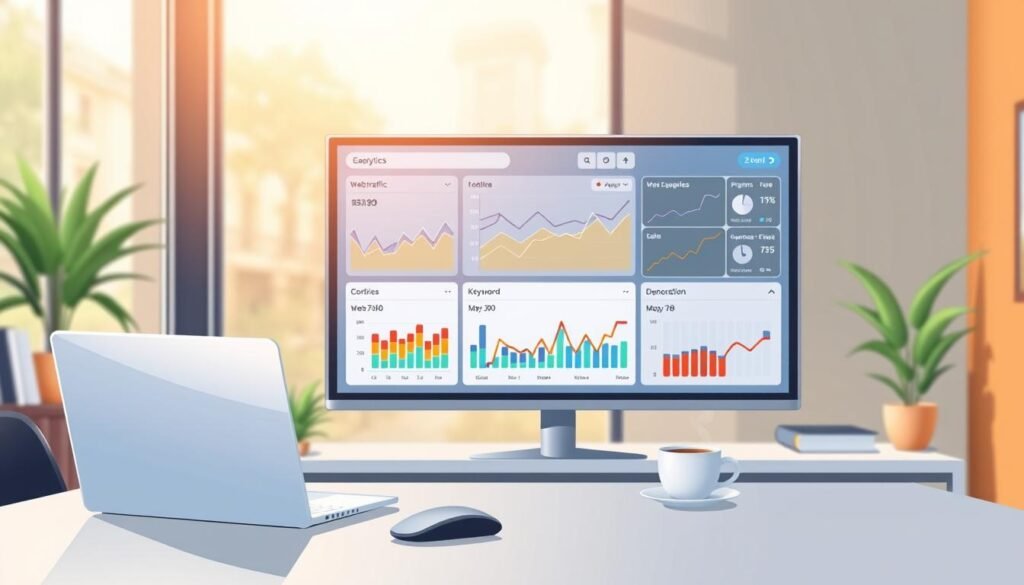
Evaluating success in today’s search landscape requires a shift in focus from traditional metrics to more nuanced measurements. With fewer clicks, businesses must rethink how they measure performance. Instead of relying solely on click-through rates, it’s essential to prioritise quality engagement and actionable insights.
Quality Over Quantity
Traditional metrics like clicks and impressions are no longer sufficient. In a zero-click environment, quality metrics such as conversion rates, time-on-site, and engagement levels take precedence. These indicators provide a clearer picture of how users interact with your content.
For example, a high number of impressions with low engagement suggests your content isn’t meeting user needs. By focusing on quality, you can ensure your strategy aligns with what users truly value.
Analytics and Continuous Adjustments
Advanced analytics tools are crucial for gathering actionable insights. They help you track performance metrics like user intent and behaviour, enabling you to refine your strategy effectively. For instance, tools like AI-driven keyword tools can identify high-performing keywords and optimise your content accordingly.
Continuous adjustments are key to long-term success. Regularly review your data and adapt your approach based on performance trends. This ensures your strategy remains relevant in an ever-changing search landscape.
“Adaptability is the cornerstone of success in modern search practices. Stay informed, analyse data, and refine your strategy consistently.”
By focusing on quality metrics and leveraging advanced analytics, you can measure success effectively in a zero-click world. This approach not only enhances visibility but also ensures your content delivers real value to users.
Utilising Additional Channels for Maximising Visibility

In an era where search engines dominate, diversifying your online presence is no longer optional but essential. Relying solely on Google for traffic is risky, especially with the rise of immediate answers reducing clicks. To counteract this, you need to explore alternative platforms that can broaden your reach and keep your brand visible.
Why Social Media and Alternative Platforms Matter
Social media platforms like Instagram, Facebook, and LinkedIn offer unique opportunities to engage with your audience. Unlike search engines, these platforms allow for direct interaction, fostering a sense of community. For example, a well-crafted Instagram post can generate more engagement than a traditional search result.
Video platforms like YouTube are equally powerful. With over 2 billion logged-in users monthly, YouTube is a goldmine for reaching new audiences. Creating tutorials, product reviews, or behind-the-scenes content can drive traffic to your site and boost brand loyalty.
Practical Steps for Optimising Content
To make the most of these platforms, follow these guidelines:
- Tailor your content: Adapt your messaging to suit each platform’s audience. For instance, LinkedIn users prefer professional insights, while Instagram thrives on visual storytelling.
- Leverage influencer marketing: Partnering with influencers can amplify your reach and lend credibility to your brand.
- Engage with your community: Respond to comments, host live sessions, and encourage user-generated content to build trust and loyalty.
Case Studies of Success
Several businesses have successfully integrated multi-channel marketing. For example, a skincare brand used Instagram and YouTube to showcase product benefits, resulting in a 30% increase in website traffic. Another company leveraged LinkedIn articles to establish thought leadership, driving quality referrals.
| Platform | Strategy | Outcome |
|---|---|---|
| Influencer collaborations | Increased engagement by 40% | |
| YouTube | Tutorial videos | Boosted website traffic by 25% |
| Thought leadership articles | Generated high-quality leads |
By diversifying your strategy, you create added opportunities for generating quality referrals and brand loyalty. For more insights on optimising your approach, explore this guide on effective tools.
Conclusion
The digital landscape is evolving rapidly, and staying ahead requires adaptability. Traditional metrics like clicks are no longer the sole indicators of success. Instead, focus on quality engagement and user intent to ensure your content remains relevant.
By leveraging structured data and concise answers, you can improve your chances of appearing in featured results. Tools that analyse performance and optimise content can help you stay competitive. Remember, visibility doesn’t always mean clicks, but it does mean opportunities to connect with your audience.
Diversifying your strategy across multiple channels is essential. Platforms like social media and video content offer unique ways to engage users and drive traffic. Continuously refine your approach based on detailed analytics to maintain a strong online presence.
As technology advances, the importance of evolving with it cannot be overstated. For more insights on enhancing your website’s performance, explore this guide on optimisation strategies. Stay informed, adapt quickly, and prioritise the user experience to thrive in this ever-changing environment.
FAQ
What are zero-click searches?
How does AI influence zero-click search results?
What tools can I use to optimise for zero-click results?
How does zero-click search impact organic traffic?
How can I adapt my SEO strategy for AI-driven results?
What are featured snippets, and how can I enhance my content for them?
How do I measure SEO success in a zero-click world?
Can social media help maximise visibility in a zero-click environment?
Source Links
- How to Optimize for Google’s AI Overviews | Position2
- Answer engine optimization: 6 AI models you should optimize for
- LLM and Seo: The Impact of Artificial Intelligence on Search Engine Optimization – Agence marketing digital à Genève Suisse – Eminence
- AI for Beginners: 8 Exciting Use Cases for All Skill Levels
- Generative AI in Marketing Strategies: Smart, Sassy, and Selling Like a Pro
- IAB State of Data 2025: AI Poised to Revolutionize Advertising
- AI in Digital Marketing: Smarter Campaigns, Better Results – Digital Dimensions For You
- How Web Development Impacts SEO: Best Practices for Developers – Cube Creative Design
- SEO Cheat Sheet – 8 Google Ranking Hacks You Need in 2025
- Artificial Intelligence and Digital Marketing: What the IAB 2025 Study Reveals
- LLM Tracking: 7 Best AI Monitoring Tools to Optimize Performance
- Title: 8 Best AI WordPress Plugins to Know in 2025!
- 10+ Best Practices To Create PPC Campaign Strategy
- Crafting SEO Strategy in 2025: A Quick-Start Guide | Copy.ai
- 11 best AI for small business in 2025: tools for growth and efficiency
- Web Design and Marketing Blog | ProfileTree Digital Agency
- What is an EPK? The Ultimate Guide to Electronic Press Kits for Artists – AMW®
- Ogilvy Tops WARC Effective 100 & Creative 100 Rankings for Third Straight Year | Ogilvy
- Hero Conf UK April 2025 Talks – PPC Hero
- Best Social Media Jobs in NYC 2025
- From Zero to Hero: 101 Smart Ways ChatGPT AI Can Help You Achieve Financial Success in 2025
- Top 10 AI-Powered Telecom Companies in World