
Did you know that 75% of SEO professionals report significant improvements in their strategies by using advanced tools? This statistic highlights the growing importance of leveraging modern techniques to stay ahead in the competitive digital landscape. Traditional methods are no longer enough to ensure your content ranks well. Instead, data-driven approaches are now essential for identifying the most effective topics.
With the evolution of technology, identifying the right terms has become faster and more accurate. Modern tools integrate metrics like search volume, difficulty, and cost-per-click into one seamless process. This allows you to focus on creating content that truly resonates with your audience. By using a free keyword research tool, you can streamline your efforts and achieve better results.
This guide will walk you through the benefits of adopting these advanced strategies. You’ll learn how to save time, improve accuracy, and ultimately enhance your overall SEO performance. Whether you’re a beginner or an experienced marketer, this resource is designed to help you succeed.
Key Takeaways
- Modern tools save time and improve accuracy in identifying effective terms.
- Data-driven approaches integrate search volume, difficulty, and cost-per-click metrics.
- Using a free tool can streamline your efforts and enhance SEO performance.
- Advanced strategies are essential for staying competitive in digital marketing.
- This guide is suitable for both beginners and experienced marketers.
Introduction to the Guide
Understanding the basics of SEO starts with mastering one crucial element: identifying the right terms to target. This process, often referred to as keyword research, is the foundation of any successful digital marketing strategy. By focusing on the right terms, you can drive organic traffic and ensure your content reaches the right audience.
Overview of Keyword Research
Keyword research involves analysing the terms your audience uses when searching for information online. It’s not just about finding popular phrases; it’s about understanding their intent. Metrics like search volume and keyword difficulty play a vital role in this process. These metrics help you gauge how often a term is searched and how challenging it is to rank for it.
Search engines like Google use complex algorithms to determine which content appears at the top of results. By focusing on terms with high search volume and manageable difficulty, you can improve your chances of ranking well. This is where a free keyword research tool can be invaluable, offering insights without the need for a hefty investment.
Why This Guide is Essential for You
Whether you’re a blogger or a small business owner, understanding keyword research is critical. It helps you create content that resonates with your audience and aligns with their needs. By leveraging data from effective tools, you can build a strong online presence and stay ahead of the competition.
This guide is designed to simplify the complexities of SEO. It provides actionable insights and practical tips to help you make the most of your efforts. From understanding search engines to using free tools, this resource is your roadmap to success.
Understanding the Fundamentals of Keyword Research
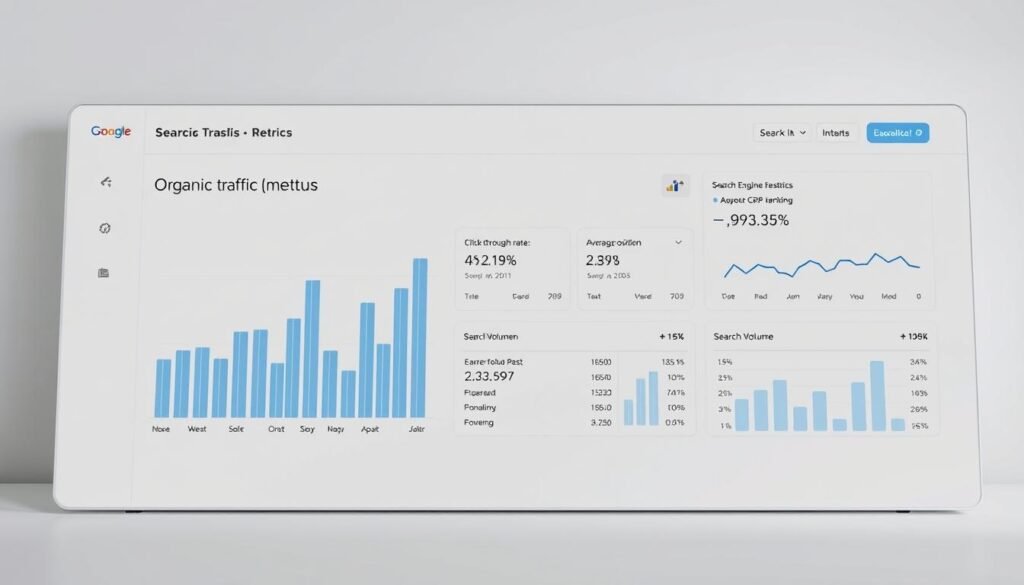
Effective SEO begins with understanding the metrics that drive search engine visibility. To craft content that ranks well, you need to familiarise yourself with the core terminology and metrics used in this process. These elements form the backbone of any successful strategy.
Basic Terminology and Metrics
When analysing terms, you’ll encounter phrases like search volume, keyword difficulty, and cost-per-click. Search volume tells you how often a term is searched monthly, while difficulty indicates how hard it is to rank for it. Cost-per-click (CPC) shows the value of a term in paid campaigns.
Understanding these metrics helps you prioritise which terms to target. For example, a high search volume with low difficulty is ideal for driving traffic. Tools like Semrush provide detailed insights into these metrics, making it easier to plan your strategy.
The Role of Search Volume and Competition
Search volume is a critical metric because it reflects user interest. However, high volume often comes with intense competition. Balancing these factors is key to selecting terms that offer the best return on effort.
For instance, long-tail terms may have lower search volume but are less competitive and easier to rank for. Tools can generate a list of related ideas, helping you uncover opportunities that align with your goals.
- Search volume indicates how often a term is searched monthly.
- Keyword difficulty measures how challenging it is to rank for a term.
- Cost-per-click (CPC) reflects the value of a term in paid campaigns.
- Long-tail terms often have lower competition and higher conversion rates.
- Tools provide actionable insights to streamline your strategy.
By mastering these fundamentals, you can make informed decisions that enhance your search engine visibility. Whether you’re targeting local or global audiences, understanding these metrics ensures your efforts are effective and efficient.
Benefits of Using AI in Keyword Research

Modern SEO strategies are evolving rapidly, and AI is at the forefront of this transformation. By automating complex tasks, AI helps marketers save time and uncover opportunities that traditional methods might miss. This section explores how AI enhances efficiency and reveals long-tail terms that can boost your rankings.
Efficiency and Time-Saving
One of the most significant advantages of AI is its ability to streamline processes. Marketers using AI save an average of 12.5 hours per week, allowing them to focus on strategy rather than manual tasks. Automated tools analyse vast amounts of data in seconds, providing actionable insights without the need for extensive effort.
For example, AI can generate lists of high-performing terms, analyse competition, and even predict trends. This level of automation ensures that your efforts are both efficient and effective.
Uncovering Long-Tail Keyword Opportunities
AI excels at identifying long-tail terms that are often overlooked. These phrases may have lower search volume but are less competitive and more targeted. By focusing on these opportunities, you can attract a more engaged audience and improve conversion rates.
Tools powered by AI can also analyse user intent, helping you create content that aligns with what your audience is searching for. This approach not only boosts rankings but also enhances user satisfaction.
| Benefit | Impact |
|---|---|
| Time Saved | 12.5 hours per week |
| Improved Rankings | 80% of businesses see results within six months |
| Long-Tail Opportunities | 60% of professionals uncover new terms |
By leveraging AI, you can make data-driven decisions quickly and stay ahead of the competition. Whether you’re targeting local or global audiences, these tools provide the insights needed to succeed in today’s digital landscape.
Exploring Top AI Keyword Research Tools

Choosing the right tools for your SEO strategy can make all the difference in achieving your goals. With a variety of options available, it’s essential to understand which ones align with your needs. This section dives into the features and functionalities of popular tools, helping you make an informed decision.
Free vs Commercial Tools
When it comes to selecting tools, you’ll often face the choice between free and commercial options. Free tools like Google Keyword Planner are great for beginners, offering basic metrics such as search volume and competition levels. However, they may lack advanced features like competitor analysis or trend prediction.
Commercial tools, such as Semrush and Surfer, provide more comprehensive insights. These platforms often include detailed analytics, user intent analysis, and even content optimisation suggestions. While they come at a cost, their advanced capabilities can significantly enhance your strategy.
Feature Comparison and Use Cases
To help you decide, here’s a breakdown of key features and their practical applications:
- Search Volume Analysis: Essential for identifying high-traffic terms, available in both free and commercial tools.
- Competitor Insights: Offered by commercial tools, this feature helps you understand what’s working for others in your niche.
- Long-Tail Term Discovery: AI-driven tools excel at uncovering less competitive, highly targeted phrases.
- Content Optimisation: Some platforms provide suggestions to improve your content’s relevance and readability.
For example, if you’re a small business owner, a free tool might suffice for basic needs. However, if you’re managing a large-scale campaign, investing in a commercial tool could provide the insight and efficiency you need.
By evaluating these options, you can select a tool that aligns with your goals and budget. Whether you’re looking for a simple solution or a comprehensive platform, there’s something out there for everyone.
Mastering AI-powered Keyword Research
Mastering the art of SEO requires a structured approach to identifying the right terms. With the help of advanced tools, you can streamline this process and achieve better results. This section provides a step-by-step guide to conducting term analysis using modern techniques.
Step-by-Step Process
Start by entering a broad term related to your niche into the tool. This initial input helps the system generate a list of related ideas. From there, you can refine your search by focusing on specific metrics like search volume and difficulty.
Next, analyse the suggestions provided by the tool. Look for phrases that align with your goals and have manageable competition. This step ensures you’re targeting terms that offer the best return on effort.
Once you’ve identified potential terms, group them into clusters based on relevance. This approach helps you create content that covers multiple related queries, improving your chances of ranking well.
Finally, optimise your content using the insights gained. Tools often provide recommendations for improving readability and relevance, ensuring your work resonates with your audience.
Practical Tips for Success
- Use tools to save time and focus on strategy rather than manual tasks.
- Refine your phrase selection by balancing search volume and competition.
- Regularly update your term list to stay ahead of emerging trends.
- Leverage long-tail opportunities for higher engagement and conversions.
By following this structured process, you can enhance your SEO efforts and achieve measurable results. Whether you’re a beginner or an experienced marketer, these steps will help you make the most of modern tools.
Interpreting Keyword Metrics and Data

Interpreting metrics is a cornerstone of any successful SEO strategy. Understanding how to analyse monthly search volume and difficulty scores can significantly impact your content’s performance on the engine result page. These metrics provide insights into user interest and competition levels, helping you make informed decisions.
Deciphering Monthly Search Volume
Monthly search volume indicates how often a term is searched within a given month. This metric is crucial for identifying high-traffic opportunities. However, it’s essential to balance search volume with competition. A term with high volume may be challenging to rank for, while a lower volume term might offer better chances of success.
For example, tools like Semrush provide detailed search volume data, allowing you to prioritise terms that align with your goals. By focusing on terms with manageable competition, you can improve your chances of ranking well.
Understanding Keyword Difficulty Scores
Keyword difficulty scores measure how hard it is to rank for a specific term. This metric is based on factors like domain authority and backlink profiles of top-ranking pages. A lower score indicates an easier opportunity, while a higher score suggests intense competition.
When planning your SEO strategy, aim for terms with a balance of search volume and manageable difficulty. This approach ensures your efforts yield the best possible results.
“Metrics like search volume and difficulty are not just numbers; they are the foundation of a data-driven SEO strategy.”
Here’s a quick comparison of these metrics:
| Metric | Importance |
|---|---|
| Search Volume | Indicates user interest and potential traffic |
| Difficulty Score | Measures competition and ranking challenges |
By mastering these metrics, you can optimise your content for better visibility on the engine result page. Tools like AI is transforming keyword research provide real-time insights, making it easier to adapt your strategy and achieve measurable results.
Utilising AI for Local and Global SEO Strategies

Tailoring your SEO strategy to both local and global audiences can significantly boost your online presence. By leveraging advanced tools, you can address the unique challenges of each approach. This ensures your content resonates with diverse audiences while driving meaningful results.
Country-Specific Data Insights
Understanding localised search data is crucial for targeting specific geographic regions. Tools can generate a list of terms that align with regional preferences. For example, a term popular in the UK might not perform as well in the US.
By analysing metrics like search volume and competition, you can tailor your strategy to maximise traffic. This approach ensures your content is relevant to local audiences while maintaining a competitive edge.
Adapting to Global Search Trends
Global trends often influence regional search behaviours. Tools can help you identify related terms that are gaining traction worldwide. This allows you to create content that aligns with emerging trends.
For instance, a global rise in voice search queries can inform your strategy for local markets. By integrating these insights, you can stay ahead of the curve and attract a broader audience.
“Combining local relevance with global trends is the cornerstone of a successful SEO strategy.”
| Metric | Local SEO | Global SEO |
|---|---|---|
| Search Volume | Region-specific | Worldwide |
| Competition | Local businesses | Global brands |
| Content Focus | Localised topics | Broad themes |
By mastering both local and global SEO strategies, you can create a comprehensive approach that drives traffic and enhances your online presence. Whether you’re targeting a specific region or a worldwide audience, these insights will help you achieve your goals.
Integrating Keyword Research into Your Content Strategy

Crafting a successful content strategy begins with aligning your topics with audience needs. By leveraging insights from term analysis, you can ensure your content resonates and drives meaningful engagement. This section explains how to seamlessly integrate these findings into your broader content creation process.
Start by mapping terms to specific topics. This involves identifying phrases that align with your goals and audience intent. Tools with advanced features can generate a list of related ideas, helping you uncover opportunities you might have missed.
For example, if you’re targeting a niche audience, focus on long-tail terms. These phrases often have lower competition and higher conversion rates. By prioritising these opportunities, you can create content that truly stands out.
“The key to successful content lies in understanding what your audience is searching for and delivering it in a way that meets their needs.”
Aligning content with user intent is equally important. Use tools to analyse search trends and refine your suggestions. This ensures your work remains relevant and performs well over time.
Finally, revisit and refresh your data regularly. Market dynamics change, and staying updated ensures your strategy remains effective. Tools can automate this process, saving you time and effort.
- Map terms to topics that align with your goals.
- Use advanced features to uncover long-tail opportunities.
- Align content with user intent to improve performance.
- Regularly update your data to stay ahead of trends.
By following these steps, you can create a content strategy that drives results. Whether you’re a blogger or a business owner, these insights will help you make the most of your efforts.
Leveraging AI Tools for Competitive Analysis
Analysing competitor strategies is a game-changer in refining your SEO approach. By understanding what others in your niche are doing, you can identify strengths, weaknesses, and untapped opportunities. Advanced tools like Semrush and Surfer make this process seamless, offering insights that can transform your strategy.
Analysing Competitor Strategies
Start by entering your competitors’ domains into an SEO tool. These platforms provide detailed reports on the terms they’re targeting, their search rankings, and even their backlink profiles. This data helps you understand what’s working for them and where they might be falling short.
For example, if a competitor ranks highly for a specific tail keyword, you can analyse their content to see why. Tools often highlight metrics like search volume and difficulty, allowing you to prioritise opportunities with the best potential.
Regularly monitoring competitor strategies ensures you stay ahead. Tools can automate this process, providing real-time updates and actionable insights.
Identifying Content Gaps in Your Niche
Content gaps are areas where your competitors haven’t fully addressed audience needs. By identifying these, you can create content that fills the void and attracts more traffic. Tools like Surfer can generate a list of related terms, helping you uncover these opportunities.
For instance, if competitors focus on broad topics, you might find success with long-tail phrases. These often have lower competition and higher engagement rates. Tools can also analyse user intent, ensuring your content aligns with what your audience is searching for.
By addressing content gaps, you not only improve your rankings but also enhance user satisfaction. This approach ensures your work remains relevant and valuable.
“Understanding your competitors’ strategies isn’t about copying them—it’s about finding opportunities they’ve missed.”
Here’s a quick comparison of key features in competitive analysis tools:
| Feature | Benefit |
|---|---|
| Competitor Term Analysis | Identifies high-performing phrases |
| Content Gap Detection | Reveals untapped opportunities |
| Real-Time Updates | Ensures your strategy stays current |
By leveraging these tools, you can refine your approach and achieve measurable results. For more insights, explore this guide on AI tools for competitor.
Optimising On-Page SEO with AI Insights
Optimising your website’s on-page elements with AI-driven insights can significantly boost your search rankings. By refining meta descriptions, titles, and content structure, you can create a more engaging and search-friendly experience for your audience.
Enhancing Meta Descriptions and Titles
Meta descriptions and titles are critical for attracting clicks from search engine results. AI tools can analyse user intent and suggest the right keyword placements to make these elements more compelling. For example, incorporating terms with high search volume and low competition can improve your rank.
Additionally, AI can help you craft concise and engaging titles that align with what users are searching for. This ensures your website stands out in crowded search results.
Structuring Content for Rich Snippets
Rich snippets enhance your visibility by providing additional information directly in search results. AI insights can guide you in structuring content to meet the criteria for these features. For instance, using structured data markup and optimising headings can increase your chances of appearing in rich snippets.
Here are some practical tips for structuring your content:
- Use clear and descriptive headings to organise your content.
- Incorporate FAQs or how-to sections to target featured snippets.
- Optimise for mobile-first indexing, as over 50% of web traffic comes from mobile devices.
By leveraging AI tools, you can streamline these processes and focus on creating high-quality content. This approach not only improves your rank but also enhances user engagement and satisfaction.
“AI-driven insights allow you to optimise on-page elements efficiently, ensuring your content aligns with both user intent and search engine algorithms.”
Integrating these strategies into your marketing efforts ensures your website remains competitive. Whether you’re targeting local or global audiences, these insights will help you achieve measurable results.
Conclusion
In today’s competitive digital landscape, staying ahead requires more than just basic SEO tactics. This guide has shown how leveraging advanced tools can transform your approach, delivering measurable results and uncovering new opportunities.
By focusing on metrics like search volume and difficulty, you can refine your strategy to align with user intent. Modern tools provide insights into engine results, helping you optimise your page performance effectively.
The shift from traditional methods to data-driven strategies offers a smarter way to achieve your goals. Start applying these insights today to enhance your optimisation efforts and secure a stronger position in search rankings.
FAQ
What is the importance of understanding search volume in SEO?
Search volume helps you gauge how often a phrase is queried in search engines. It’s crucial for identifying popular topics and aligning your content with user demand.
How can long-tail phrases benefit my strategy?
Long-tail phrases often have lower competition and higher intent, making them valuable for attracting targeted traffic and improving your site’s relevance.
What are the key metrics to consider when analysing data?
Focus on metrics like monthly searches, difficulty scores, and click-through rates. These provide insights into potential opportunities and challenges.
How do I choose between free and commercial tools?
Free tools are great for beginners, while commercial options offer advanced features like in-depth analysis and competitor insights. Your choice depends on your needs and budget.
Why is competitive analysis essential for SEO?
Analysing competitors helps you identify gaps in your content, understand their strategies, and find ways to outperform them in search engine rankings.
How can I adapt my strategy to global search trends?
Use tools that provide country-specific data and insights. Tailor your content to regional preferences and search behaviours to maximise reach.
What role do meta descriptions and titles play in on-page optimisation?
Meta descriptions and titles influence click-through rates and search engine visibility. Crafting compelling ones can improve your content’s performance.
How do I structure content for rich snippets?
Use clear headings, bullet points, and structured data markup. This helps search engines understand your content and display it prominently in results.
Source Links
- The AI SEO Content Accelerator | Part 3: Conduct In-Depth AI Search Research – Xponent21
- A Complete Guide to AI Tools for Improving SEO Written Content! | Blog | Lform
- How to Choose Keywords for SEO & SearchGPT (How I Do It)
- How to Use AI for On-Page SEO Like a Pro (Step-by-Step Guide) – Writesonic Blog
- Generative AI: SEO Game-Changer or Just Another Fad?
- The shift to semantic SEO: What vectors mean for your strategy
- Semrush: The Ultimate Guide
- Strategies for Successful SEO AI Agent Adoption – Alli AI
- AI content marketing: How artificial intelligence is transforming digital strategies
- Free AI Keyword Research
- How to Use AI for SEO (Use Cases & Tools) | ClickUp
- 4 Easy Steps To Mastering AI SEO: How To Boost Rankings With Artificial Intelligence | McNeece
- Mastering SEO in the Age of AI: Strategies for Success
- Top 10 AI Tools for Keyword Research in 2024 – Detailed Guide
- Revolutionize Your Keyword Analysis with AI-Powered Software
- AI-Powered Intelligent Search: Find the Data You Need With Contextual Understanding
- How to Optimize SEO AI Agents for Your Industry? – Alli AI
- AI Marketing Analytics: 5 Ways to Sharpen Your Insights
- Unleashing The Power Of AI For Hyper-Targeted Keyword Discovery | KeyWordKings
- AI-powered SEO services: revolutionizing digital marketing
- The Role Of AI In SEO: Revolutionizing Digital Marketing Strategies
- Integrating AI Agents for Seamless SEO Workflows – Alli AI
- Top 10 Must-Use AI Tools for SEO Growth | ResultFirst
- How Businesses Are Using AI SEO to Dominate in ChatGPT Search Results | EWR Digital
- From Keyword Scraping to Intelligent SEO: How SEO AI is Changing the Game
- AI-Powered SEO: The Future of Search Optimization
- AI Use Cases for Enterprise SEO & Digital Marketing Teams
- The Future of AI in SEO: Trends and Predictions in 2025 – Digital Tools Mentor
- Case Studies: AI-Based Solutions To Tackle Retail SEO Challenges | ResultFirst
- Elicit AI Review: Your Best Research Tool to Use in 2025