
Did you know that 80% of businesses leveraging advanced technologies report a significant boost in their digital strategies? In today’s fast-paced digital world, understanding user behaviour is no longer optional—it’s essential. Artificial intelligence (AI) and predictive analytics are transforming how companies approach their search engine strategies, ensuring they stay ahead in competitive markets.
By analysing vast amounts of data, these tools can forecast trends and refine decision-making processes. This not only enhances user experience but also drives higher engagement and visibility. Whether it’s optimising content creation or improving search rankings, AI plays a pivotal role in shaping modern digital strategies.
This section will explore how these technologies work together to anticipate user needs. You’ll discover how predictive models are implemented to forecast behaviour and search trends. Additionally, we’ll highlight real-world applications and the strategic advantages they offer.
Key Takeaways
- AI and predictive analytics enhance decision-making and trend forecasting.
- These technologies improve user experience and engagement.
- Predictive models help anticipate search trends and user behaviour.
- Real-world applications demonstrate the strategic advantages of AI.
- Industry leaders use AI to stay competitive in digital markets.
Introduction to AI and Predictive Analytics in Digital Strategy
The digital landscape is evolving rapidly, and businesses must adapt to thrive. Advanced technologies are now at the forefront of shaping how companies approach their strategies. By leveraging these tools, organisations can gain a competitive edge in an increasingly complex market.
One of the most significant advancements is the integration of tools like Google’s RankBrain. These systems refine search queries by understanding user intent more effectively. This shift has transformed how businesses create and optimise their content to meet user needs.
Understanding the Role of AI in Today’s Digital Landscape
In today’s digital world, tools powered by advanced algorithms play a central role. They analyse vast amounts of datum to provide actionable insights. This allows businesses to make informed decisions and stay ahead of trends.
For example, platforms like Amazon and Netflix use these technologies to personalise recommendations. This not only enhances the user experience but also drives engagement and loyalty. Such applications highlight the transformative potential of these tools in modern strategies.
Why Predictive Analytics Matters for Your Business
Predictive analytics is a game-changer for businesses aiming to make data-driven decisions. By analysing historical datum, companies can forecast future trends and adapt their strategies accordingly. This proactive approach ensures they remain relevant in a constantly changing environment.
For instance, e-commerce platforms use predictive models to anticipate customer behaviour. This enables them to optimise inventory management and tailor marketing campaigns. Such practices demonstrate the strategic advantages of integrating these technologies into your strategy.
| Technology | Application | Benefit |
|---|---|---|
| Google’s RankBrain | Refines search queries | Improved content relevance |
| Predictive Analytics | Forecasts trends | Data-driven decision-making |
| Personalisation Tools | Tailors user experience | Higher engagement and loyalty |
To learn more about how these technologies are revolutionising digital strategies, explore our guide on AI integration. This resource provides deeper insights into leveraging these tools for your business.
Demystifying AI predictive UX SEO

Modern businesses are increasingly turning to advanced technologies to refine their strategies. These tools not only streamline processes but also provide deeper insights into user behaviour. By integrating these innovations, companies can stay ahead in competitive markets.
What It Means for Search Engine Optimisation
Advanced tools are transforming how businesses approach their search strategies. They analyse vast amounts of data to identify trends and optimise content. This ensures that your keyword research is more targeted and effective.
For example, platforms like Google use these technologies to refine search queries. This leads to improved content relevance and higher rankings. Such applications highlight the importance of integrating these tools into your strategy.
Key Benefits for Enhancing User Experience
One of the most significant advantages is the ability to personalise content. By understanding user preferences, businesses can create tailored experiences. This not only boosts engagement but also fosters loyalty.
Additionally, these tools help improve website performance. Faster load times and intuitive navigation enhance the overall experience. Such improvements lead to measurable gains in search outcomes and user satisfaction.
For instance, companies using these technologies report higher conversion rates. This demonstrates the strategic value of adopting advanced tools in your business.
Leveraging Predictive Analysis to Enhance SEO Strategy

Historical data holds the power to unlock future opportunities in search engine optimisation. By analysing past performance, you can identify patterns that reveal upcoming trends. This approach allows you to stay ahead of changes in search algorithms and user behaviour.
One actionable technique is to examine historical metrics such as traffic, rankings, and engagement. These metrics provide valuable insights into what works and what doesn’t. For example, a case study showed that businesses which adjusted their strategies ahead of algorithm updates saw a 20% increase in organic traffic.
Using Historical Data to Forecast Trends
Transforming past data into actionable forecasts involves several steps. First, gather data from tools like Google Analytics or Search Console. Next, identify patterns such as seasonal spikes or keyword performance shifts. Finally, use these patterns to predict future trends and adjust your strategy accordingly.
For instance, an e-commerce platform noticed a recurring spike in searches for “winter coats” every November. By optimising their content and ads in October, they capitalised on this trend early, boosting conversions by 15%.
- Understand how historical data uncovers upcoming search trends.
- Learn the process of transforming past metrics into future forecasts.
- Explore real examples of businesses adjusting strategies ahead of algorithm updates.
- Discover how recognising trends can inform content creation.
- Integrate these insights into your broader strategy for sustained growth.
By leveraging these techniques, you can ensure your strategy remains adaptable and effective. For more in-depth guidance, explore our resource on predictive analytics.
Optimising User Experience Through Data-Driven Insights
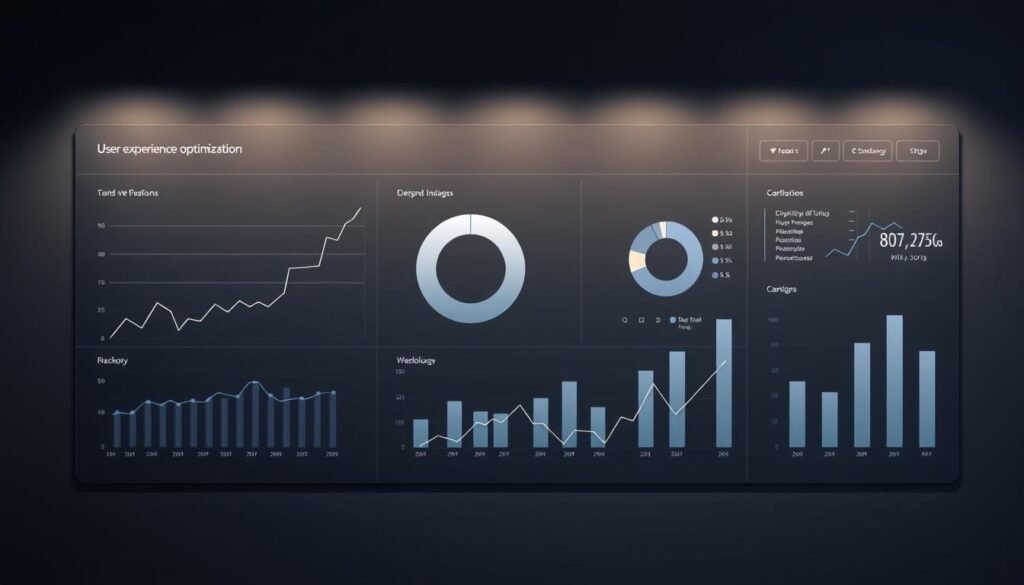
In today’s digital age, understanding user behaviour is crucial for enhancing website performance. By leveraging data-driven insights, you can create a tailored experience that keeps visitors engaged and encourages them to explore your site further.
Personalisation and Tailored Content
Personalisation is a game-changer for improving user engagement. By analysing user behaviour, you can deliver content that resonates with their preferences. This approach not only reduces bounce rates but also increases the time spent on your page.
For example, platforms like Netflix and Amazon use data to recommend products and shows based on user activity. This level of customisation keeps users coming back and boosts conversion rates. You can apply similar strategies to your website by using tools that track user interactions and preferences.
Here are some practical ways to integrate data into your content strategy:
- Use analytics tools to identify popular topics and keywords.
- Create dynamic content that adapts to user preferences.
- Optimise your site structure for easy navigation.
Tailored content meets evolving user needs effectively. By staying ahead of trends, you can ensure your website remains relevant and engaging. For instance, an e-commerce site that updates its product recommendations based on seasonal trends can see a significant increase in traffic and sales.
| Strategy | Benefit |
|---|---|
| Personalised Recommendations | Higher engagement and conversions |
| Dynamic Content | Reduced bounce rates |
| User Behaviour Analysis | Improved content relevance |
By adopting these techniques, you can create a user-centric approach that drives measurable results. Whether it’s increasing traffic or improving page views, data-driven insights are the key to optimising your website performance.
Implementing AI-Driven Predictive Analysis: A How-To Guide

Integrating advanced tools into your strategy can significantly boost your online presence. By leveraging data-driven insights, you can enhance your visibility and achieve better results. This guide will walk you through the process of incorporating predictive analysis into your existing practices.
Step-by-Step Integration into Your SEO Approach
Start by identifying key metrics that align with your goals. Tools like Google Analytics and SEMrush can help you gather and cleanse data effectively. This ensures your analysis is based on accurate and relevant information.
Next, train your models using platforms like Python-based frameworks. Test these models thoroughly to ensure they deliver actionable insights. Once validated, integrate them into your workflows to refine your strategy.
Finally, monitor the performance of your models regularly. Adjust your approach based on the results to stay ahead in a competitive landscape.
Selecting the Right Tools and Platforms
Choosing the right platform is crucial for successful integration. Tools like SEMrush offer comprehensive features for data analysis and trend forecasting. Similarly, Python-based models provide flexibility for custom solutions.
Evaluate each technology based on its scalability and ease of use. Ensure it integrates seamlessly with your existing systems to avoid disruptions.
Here are some recommended tools:
- Google Analytics for tracking key metrics.
- SEMrush for trend analysis and keyword research.
- Python-based frameworks for custom predictive models.
By following these steps and selecting the right tools, you can enhance your practice and achieve measurable improvements in your strategy. Continuous monitoring and refinement will ensure sustained success.
Harnessing AI for Content Creation and Keyword Research

Creating compelling content and identifying the right keywords are essential for digital success. Advanced tools now make this process more efficient and effective. By leveraging these technologies, you can ensure your digital presence excels.
AI-Powered Keyword Research Techniques
Traditional keyword research methods are time-consuming and often miss valuable insights. Modern tools, such as ChatGPT and MarketMuse, automate this process. They analyse vast amounts of data to identify high-performing keywords.
These tools use algorithms to evaluate search trends and competition levels. This ensures you target keywords that drive engagement and improve rankings. For example, a case study showed that businesses using these tools saw a 25% increase in organic traffic.
Here’s how you can implement these techniques:
- Use tools to analyse search trends and competition.
- Focus on long-tail keywords for better targeting.
- Regularly update your keyword strategy based on performance metrics.
Content Optimisation Strategies with Machine Learning
Producing high-quality content is only half the battle. Optimising it for search engines and user engagement is equally important. Machine learning tools can help refine your content to meet these goals.
These tools analyse user behaviour and performance metrics to suggest improvements. For instance, they can recommend changes to headings, meta descriptions, and internal links. This ensures your content is both relevant and engaging.
Here are some practical steps to optimise your content:
- Use tools to identify gaps in your existing content.
- Incorporate user feedback to enhance relevance.
- Monitor performance metrics to measure success.
| Strategy | Benefit |
|---|---|
| AI-Powered Keyword Research | Higher search rankings |
| Content Optimisation | Improved user engagement |
| Performance Analysis | Data-driven improvements |
By adopting these strategies, you can create content that resonates with your audience and performs well in search results. The right tools and techniques ensure your digital presence remains competitive and impactful.
Navigating Challenges and Ethical Considerations in AI SEO

While technology offers immense potential, it also brings challenges that demand careful navigation. As businesses increasingly rely on advanced tools, understanding the ethical and practical hurdles becomes essential. This section explores critical issues like data privacy, quality assurance, and algorithmic biases, offering solutions to ensure your practices remain effective and ethical.
Data Privacy and Quality Assurance
One of the most pressing concerns is data privacy. Collecting and utilising vast amounts of user data raises ethical questions. Compliance with regulations like GDPR is not just a legal requirement but also a way to build trust with your audience.
Quality assurance is equally important. Ensuring the accuracy and reliability of data is crucial for making informed decisions. Regular audits and updates can help maintain high standards.
Here are some actionable strategies:
- Implement robust data encryption methods to protect user information.
- Conduct regular audits to ensure data accuracy and relevance.
- Train your team on ethical data handling practices.
Managing Algorithmic Limitations and Biases
Algorithmic biases can skew results and lead to unfair outcomes. These biases often stem from incomplete or biased training data. Recognising and addressing these limitations is key to maintaining fairness and accuracy.
Predictive models, while powerful, are not infallible. They require regular updates to remain effective. Staying ahead of these challenges ensures your strategies are both ethical and impactful.
Consider these best practices:
- Diversify your data sources to reduce bias.
- Regularly update your models to reflect current trends.
- Incorporate human oversight to validate algorithmic outputs.
“Ethical considerations are not just a legal obligation but a cornerstone of sustainable business practices.”
By addressing these challenges, you can harness the full potential of advanced tools while maintaining ethical standards. For more insights, explore our guide on challenges in AI-driven SEO.
Exploring Future Trends and Innovations in AI and SEO
The future of digital strategies is being reshaped by groundbreaking technologies. As businesses adapt to constant change, staying ahead requires embracing innovations that redefine how we approach online presence. From natural language processing (NLP) to augmented reality (AR), these advancements are set to transform the digital landscape.
Emerging Technologies and Their Impact on SEO
Technologies like NLP and AR are revolutionising how businesses optimise their strategies. NLP, for instance, enhances content relevance by understanding user intent more effectively. This leads to higher engagement and improved search rankings.
AR, on the other hand, offers immersive experiences that captivate users. For example, e-commerce platforms are using AR to let customers visualise products before purchasing. This not only boosts conversion rates but also sets new standards for user interaction.
Here’s how these technologies are making an impact:
- NLP improves content relevance and user engagement.
- AR creates immersive experiences that drive conversions.
- Both technologies enhance the overall user experience.
Predictive User Behaviour Analysis for Future-Proofing
Predictive analysis is becoming a cornerstone of future-proof strategies. By analysing user behaviour, businesses can anticipate trends and adapt their approaches accordingly. This ensures they remain relevant in a rapidly evolving digital environment.
For instance, platforms like Netflix use predictive models to recommend content based on user preferences. This not only keeps users engaged but also fosters loyalty. Applying similar techniques to your strategy can help you stay ahead of the curve.
Key benefits of predictive analysis include:
- Anticipating user needs and preferences.
- Optimising content and marketing strategies.
- Reducing bounce rates and increasing engagement.
By integrating these innovations, you can ensure your digital strategy remains effective and adaptable. The key is to embrace change and leverage emerging technologies to their full potential.
Conclusion
The key to success lies in continuous learning and adaptation. By integrating advanced tools into your strategy, you can elevate your digital performance and stay ahead of trends. These technologies offer significant benefits, from enhanced visibility to improved decision-making, but they also come with challenges that require careful navigation.
To maximise results, focus on actionable steps like analysing data, refining your approach, and investing effort into mastering these tools. Staying proactive ensures you can predict future trends and adapt your strategy accordingly. The journey demands dedication, but the rewards are well worth it.
Looking ahead, the possibilities are endless. Embrace innovation, prioritise learning, and let these tools guide your path to sustained success. With the right mindset, you can confidently shape the future of your digital strategy.
FAQ
How does AI enhance search engine optimisation strategies?
AI improves search engine optimisation by analysing user behaviour, identifying trends, and predicting future search patterns. This allows for more targeted keyword research and content creation, boosting your website’s visibility and performance.
What are the benefits of predictive analytics for businesses?
Predictive analytics helps businesses anticipate customer needs, optimise marketing efforts, and improve decision-making. By leveraging historical data, you can forecast trends, enhance user experience, and stay ahead of competitors.
How can machine learning improve content creation?
Machine learning tools analyse user preferences and engagement metrics to suggest high-quality content ideas. This ensures your content aligns with audience interests, driving better traffic and engagement on your website.
What tools are essential for integrating AI into SEO?
Tools like Google Analytics, SEMrush, and Ahrefs are crucial for integrating AI into your SEO strategy. These platforms provide insights into user behaviour, keyword performance, and website optimisation, helping you make data-driven decisions.
How does AI help in personalising user experience?
AI analyses user data to deliver tailored content and recommendations. This personalisation enhances engagement, improves satisfaction, and increases the likelihood of conversions on your website.
What challenges should businesses consider when using AI for SEO?
Businesses must address data privacy concerns, ensure quality assurance, and manage algorithmic biases. Staying informed about ethical considerations and technological limitations is key to successful AI implementation.
What future trends in AI will impact SEO?
Emerging technologies like voice search and natural language processing will shape the future of SEO. Predictive user behaviour analysis will also play a significant role in creating future-proof strategies.
How can businesses start integrating AI into their SEO approach?
Begin by identifying your goals and selecting the right tools. Analyse your website’s performance metrics, experiment with AI-driven insights, and continuously refine your strategy to stay competitive.
Source Links
- The Future of E-commerce: How AI Search and Filters Are Shaping Online Retail – Wizzy Blog
- How Does AI Impact PPC Campaigns? – IndeedSEO
- AI Software Development for Startups – A Beginner’s Guide | DPL IT
- The Impact of AI on Digital Marketing
- What Is Artificial Intelligence? Definition, Uses, Types and Examples
- AI in UX: Hype vs. Reality (And What Actually Works) – LION+MASON
- SXO Explained – The Future of SEO & UX in 2025
- Drupal and the Future of SEO: Which Modules Will Help Your Site Climb in Search Rankings | Wishdesk
- How Higher Ed Websites Can Drive More Enrollments with the Right CRM Strategy
- AI in web development: Transforming user experience and design
- Chatbots vs Generative AI: The Ultimate eCommerce Showdown
- The Ultimate On Page SEO Checklist For 2025 To Increase Rankings
- Top AI Productivity Tools in 2025
- Transform Your Agency Workforce Development
- Top 10 Data Mining Software Tools for Smarter Analytics
- Crafting SEO Strategy in 2025: A Quick-Start Guide | Copy.ai
- 19+ Best AI Tools in India
- Not Obvious AI Software for Law Firms – Boost Legal Efficiency | TTMS
- Top New Technology Trends That Will Define the Future
- Top 35 Technology Trends to Watch in 2025
- The Future of Web Development: AI, No-Code, and Automation
- AI in Supply Chain: Benefits, Applications, Challenges – The NineHertz:
- AI in Logistics: Benefits, Applications, Challenges – The NineHertz: