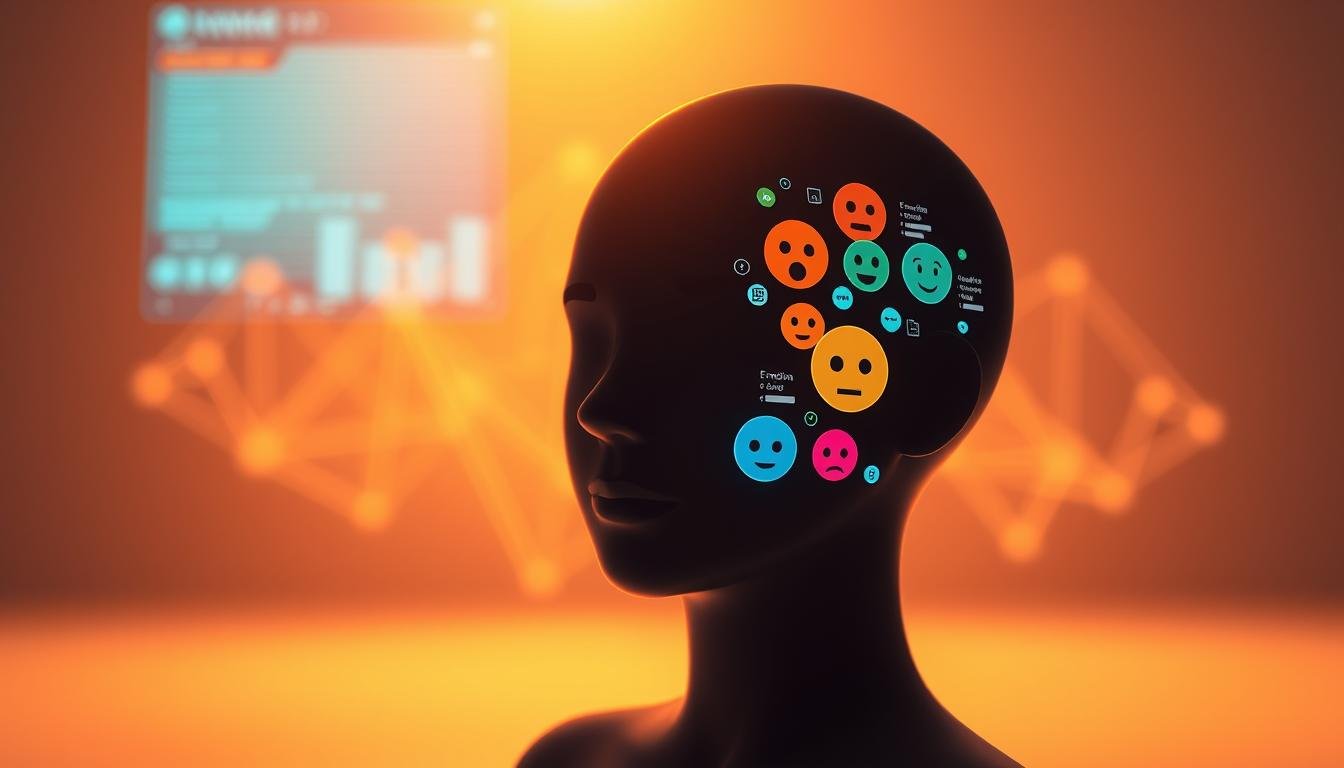
Did you know that nearly 40 million interactions with digital systems have been analysed to understand user behaviour better? This staggering number highlights the growing importance of emotional insights in shaping user experiences. By leveraging advanced tools, businesses can now decode facial expressions and vocal tones to gain a deeper understanding of their audience.
These technologies go beyond traditional feedback methods. They provide real-time data on how users feel during interactions. For instance, subtle changes in tone or facial expressions can reveal frustration or satisfaction. This allows companies to tailor their responses and improve engagement.
Understanding emotional states is not just about technology; it’s about creating meaningful connections. By analysing these cues, businesses can design interfaces that resonate with users on a personal level. This approach leads to more intuitive and satisfying experiences.
Key Takeaways
- Advanced tools analyse facial expressions and vocal tones to understand user emotions.
- Real-time emotional data helps businesses tailor responses and improve engagement.
- Emotional insights go beyond traditional feedback methods for deeper understanding.
- Personalised interactions based on emotional cues enhance user satisfaction.
- Understanding emotional states fosters meaningful connections with users.
The Impact of Emotion on User Experience
Emotions play a pivotal role in shaping how users interact with digital systems. From the moment they engage with a product or service, their emotional state influences their decisions and satisfaction. Understanding these emotional responses is crucial for creating meaningful connections.
Understanding User Emotions and Psychology
Design choices can evoke specific emotional responses. For instance, a cluttered interface may cause frustration, while a clean, intuitive design fosters satisfaction. Research shows that subtle cues, like facial expressions or tone of voice, provide deeper insights into user behaviour.
Tools like Affectiva’s technology track these cues in real-time. This allows companies to analyse emotional states and adjust their systems accordingly. By understanding user psychology, businesses can create interfaces that resonate on a personal level.
How Emotions Influence Decision-Making
Emotions significantly impact decision-making processes. A user’s emotional state can alter their perception of a product or service. For example, frustration with Facebook’s privacy settings has led to widespread criticism and changes in user behaviour.
Recognising these emotional triggers helps companies improve their offerings. By addressing user needs and reducing cognitive load, businesses can enhance satisfaction and loyalty. Emotional intelligence in design is not just a trend; it’s a necessity for modern systems.
Leveraging AI emotion detection UX for Enhanced Engagement
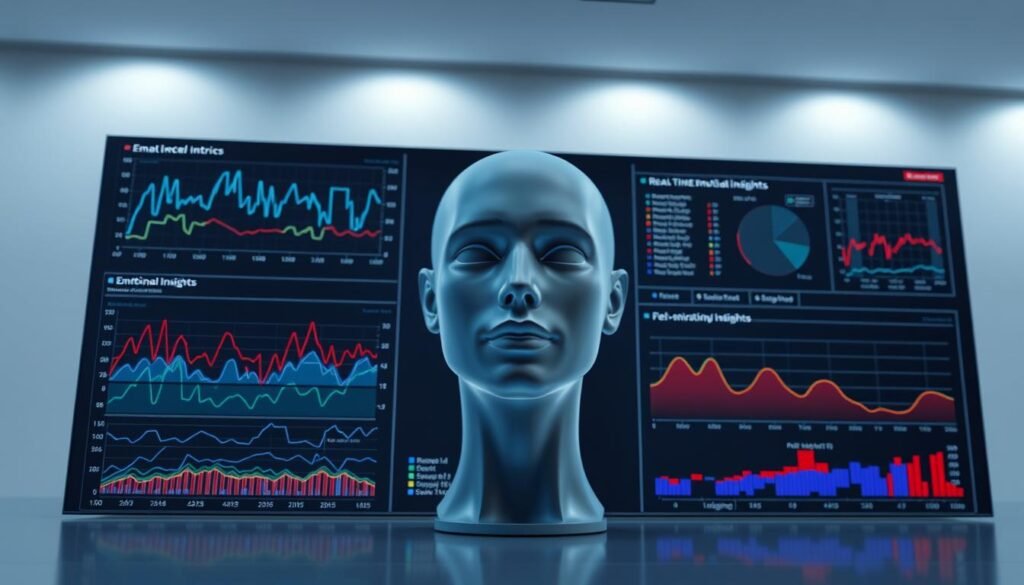
Imagine understanding your customers’ feelings in real-time, without them saying a word. Advanced tools now make this possible by capturing subtle cues like facial expressions and vocal tones. These insights go beyond traditional feedback, offering a deeper understanding of user behaviour.
Gathering Real-Time Emotional Insights
Facial detection and recognition technologies are at the core of this process. They analyse micro-expressions and changes in tone to provide immediate feedback. This real-time data helps businesses optimise their interfaces and respond to user needs more effectively.
For example, if a user shows signs of frustration during an interaction, the system can adapt to reduce cognitive load. This level of responsiveness enhances satisfaction and builds stronger connections with your audience.
Psychological analysis during testing sessions also reveals cognitive challenges. By identifying these issues early, companies can streamline their design process and accelerate improvements. This approach ensures that digital products are not only functional but also emotionally engaging.
- Real-time emotional insights improve user satisfaction.
- Facial recognition technology captures subtle cues for analysis.
- Psychological testing reveals cognitive challenges and areas for improvement.
- Personalised responses based on emotional data enhance engagement.
By integrating these tools, businesses can create more humanised and personalised experiences. This not only boosts engagement but also fosters long-term loyalty among users.
Integrating Emotion Analysis in UX Design
Understanding subtle emotional cues can significantly enhance digital experiences. By integrating advanced tools into design, businesses can create interfaces that resonate deeply with their audience. This approach goes beyond traditional methods, offering a more personalised and engaging interaction.
Facial Detection and Recognition Technologies
Facial detection and recognition technologies are at the forefront of this transformation. These tools analyse micro-expressions and subtle changes in tone to provide real-time insights. This data helps businesses understand user behaviour on a deeper level.
For instance, if a user shows signs of frustration during an interaction, the system can adapt to reduce cognitive load. This level of responsiveness not only improves satisfaction but also builds stronger connections with your audience.
Assessing Emotional States for Personalised Experiences
Assessing emotional states allows for the creation of personalised experiences. By understanding how users feel during interactions, companies can refine their designs to meet specific needs. This iterative process ensures that digital products are both functional and emotionally engaging.
For example, real-time emotional data can highlight areas where users face challenges. Addressing these issues early in the design process leads to more intuitive and satisfying experiences. This approach fosters lasting connections with your customers.
Integrating emotion analysis into design is not just a trend; it’s a necessity for modern systems. By leveraging these tools, businesses can create interfaces that truly resonate with their audience, enhancing both engagement and loyalty.
Addressing Ethical and Privacy Concerns in Emotion AI
The rise of biometric data analysis raises questions about consent and fairness. While these technologies offer valuable insights into user behaviour, they also introduce significant ethical dilemmas. Issues like racial bias, mass surveillance, and privacy breaches must be carefully navigated to maintain trust.
Navigating Bias, Surveillance, and Consent
One of the primary concerns is the potential for racial bias in emotion recognition systems. Studies have shown that these tools may misinterpret facial expressions across different ethnicities, leading to flawed conclusions. This not only affects user experience but also perpetuates inequality.
Mass surveillance is another critical issue. When systems capture and analyse biometric data without explicit consent, they risk invading personal privacy. This can erode user trust and create a sense of vulnerability. For instance, unconsented data collection in public spaces has sparked debates about individual rights.
Designers face the challenge of balancing innovation with responsible data practices. Ensuring transparency and obtaining user consent are essential steps. As highlighted in ethical considerations in Emotion AI, regulatory frameworks like the European Union’s AI Act are crucial for protecting individual rights.
- Racial bias in emotion recognition can lead to unfair outcomes.
- Mass surveillance without consent compromises user privacy.
- Transparency and consent are vital for maintaining trust.
- Regulatory frameworks help ensure ethical use of biometric data.
Real-world scenarios illustrate these challenges. For example, misinterpretation of emotional data has led to flawed interfaces in customer service systems. Addressing these issues requires a commitment to ethical design and continuous improvement.
Case Studies in Emotion-Driven User Testing

Analysing user behaviour through advanced tools has transformed how companies approach design. By focusing on emotional states and facial expressions, businesses can uncover deeper insights into user satisfaction and engagement. This section explores real-world examples from platforms like Facebook, highlighting the lessons learnt and the role of technology in these improvements.
Insights from Facebook and Other Platforms
Facebook’s user testing revealed significant challenges in interface navigation. Analysing facial expressions showed that users often felt frustrated when dealing with privacy settings. This insight led to a redesign of the interface, making it more intuitive and user-friendly.
Another platform, using state-of-the-art technology, identified subtle shifts in emotional states during interactions. By recognising these changes, the company was able to tailor responses, improving overall satisfaction. These case studies demonstrate the importance of real-time analysis in understanding user needs.
Real-World Examples and Lessons Learnt
One notable example involves a leading e-commerce platform. By tracking emotional responses during checkout, the company identified points of friction. Addressing these issues resulted in a 15% increase in completed transactions.
Lessons from these studies include the need for continuous iteration in design. As highlighted in emotion-driven user testing, understanding emotional cues is essential for optimising engagement.
| Platform | Challenge Identified | Solution Implemented | Outcome |
|---|---|---|---|
| Confusion over privacy settings | Redesigned interface | Improved user satisfaction | |
| E-commerce Platform | Friction during checkout | Streamlined process | 15% increase in transactions |
| Social Media App | Negative emotional shifts | Tailored responses | Enhanced engagement |
These examples underscore the value of emotion-driven analysis in creating better user experiences. By leveraging these insights, companies can design systems that truly resonate with their audience.
Implementing Emotion AI in Your Digital Product Strategy
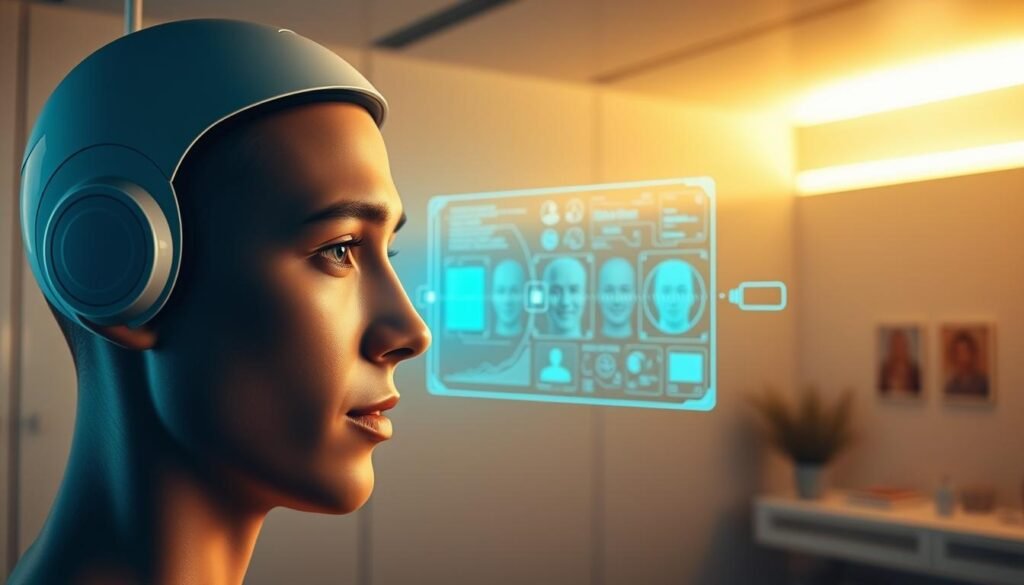
Incorporating emotional insights into your digital strategy can transform how users engage with your product. By understanding subtle cues like facial expressions and tone, you can create interfaces that adapt to user feelings in real-time. This approach not only enhances satisfaction but also fosters long-term loyalty.
Designing Emotionally Aware Interfaces
To design interfaces that respond to emotional data, start by integrating tools that analyse user behaviour. These technologies capture subtle changes in expressions and vocal tones, providing immediate feedback. For instance, if a user shows signs of frustration, the system can adapt to simplify the interaction.
Real-time emotional insights allow you to refine your designs iteratively. By addressing challenges early, you can create more intuitive and engaging experiences. This process ensures that your product resonates with users on a personal level.
Optimising User Interactions through Data Analysis
Data analysis plays a crucial role in optimising interactions. By tracking emotional responses, you can identify pain points and streamline processes. For example, analysing frustration during checkout can lead to a more seamless experience, increasing completed transactions.
Iterative testing and evaluation are essential. As highlighted in emotional intelligence in AI-driven UX design, continuous improvement ensures that your system evolves with user needs.
- Use emotional insights to create personalised and intuitive interfaces.
- Analyse real-time data to identify and address user challenges.
- Iterate designs based on emotional feedback to enhance satisfaction.
- Ensure ethical and user-centred approaches in your strategy.
By leveraging these techniques, you can build a product that not only meets user expectations but also exceeds them. Emotional intelligence in design is no longer optional—it’s a necessity for modern digital systems.
Conclusion
The integration of advanced systems into digital strategies has reshaped how businesses connect with their audience. By understanding subtle cues like facial expressions and tone, companies can craft personalised experiences that enhance satisfaction and loyalty. These tools offer real-time insights, allowing for immediate adjustments to improve user engagement.
Balancing innovation with ethical practices is crucial. Ensuring transparency and obtaining consent helps build trust while addressing privacy concerns. Responsible use of these technologies fosters meaningful connections and ensures long-term success.
As you explore these advancements, remember the value of continuous improvement. Leveraging emotional insights not only optimises interactions but also creates lasting relationships with your audience. Embrace these tools to stay ahead in the ever-evolving digital landscape.
FAQ
How does artificial intelligence enhance user engagement through emotion recognition?
Artificial intelligence analyses user behaviour, such as facial expressions or voice tone, to identify emotional states. This data helps tailor interactions, making them more personalised and engaging.
Why is understanding user psychology important in design?
Grasping user psychology allows designers to create interfaces that resonate emotionally. This leads to better decision-making and improved satisfaction with the product or service.
What role does real-time emotional insight play in user experience?
Real-time emotional insight enables immediate adjustments to interactions. This ensures the user feels understood and valued, boosting engagement and connection.
How do facial recognition technologies contribute to personalised experiences?
Facial recognition technologies assess emotional responses, such as joy or frustration, to adapt content or features. This creates a more tailored and relevant experience for the user.
What ethical concerns arise with emotion-driven artificial intelligence?
Key concerns include privacy, consent, and potential bias. Ensuring transparency and user control is essential to address these challenges responsibly.
Can you provide examples of platforms using emotion-driven testing?
Platforms like Facebook use emotion-driven testing to refine features. These insights help improve user satisfaction and engagement across various scenarios.
How can businesses implement emotion-aware interfaces effectively?
Businesses should integrate emotional analysis tools into their design process. This helps create interfaces that respond to user needs and behaviours in meaningful ways.
What are the benefits of optimising interactions through data analysis?
Optimising interactions ensures users feel heard and supported. This leads to higher retention rates and a stronger emotional connection with the product or service.
Source Links
- ChatGPT and Loneliness: The Double-Edged Sword Revealed by OpenAI and MIT
- 8 Ways Voice Analytics Helps You Understand Customer Emotion – Insight7 – AI Tool For Interview Analysis & Market Research
- Why Dial Testing Alone Isn’t Enough in Media Testing — How to Build on It for Better Results – iMotions
- Leveling Up UX with Gamification | valantic Blog
- BetaTesting Blog
- The Rise of Human-AI Collaboration: Transforming Business and Education
- The Hidden Cost of Inaction in UX and Digital Banking • UXDA | Financial UX Design
- AI in Customer Service: Everything You Need To Know
- Insight Flow by Jing Wang: Revolutionizing Research Through AI
- Blog | Optimal Workshop
- The Future of AI: How Artificial Intelligence Will Change the World | Wire19
- Lecturer’s Perspective on the Role of AI in Personalized Learning: Benefits, Challenges, and Ethical Considerations in Higher Education – Journal of Academic Ethics
- The impact of AI-driven speech recognition on EFL listening comprehension, flow experience, and anxiety: a randomized controlled trial – Humanities and Social Sciences Communications
- From data to decisions: How Locobuzz’s CMOverse.ai is transforming brand interactions
- Do chatbots really need faces?
- AI’s Transformative Role in Product Design: Opportunities and Challenges
- How to Use AI Tools to Improve Voice-Based Customer Journeys – Insight7 – AI Tool For Interview Analysis & Market Research
- The AI Trust Curve: Our Relationship with Artificial Intelligence as an Emotional Rollercoaster…
- Journal of Intelligent Systems