
Imagine running a bustling online store with thousands of pages. Over time, you notice your site’s search rankings slipping, despite your best efforts. The culprit? Index bloat. This occurs when search engines crawl and store unnecessary or low-value pages, diluting your site’s relevance and wasting your crawl budget.
Index bloat can sneak up on any website, especially those with extensive content. Duplicate pages, outdated product listings, or poorly structured URLs often contribute to this issue. The result? A cluttered index that hampers your search engine performance and frustrates users.
Fortunately, there’s a solution. By auditing your indexed pages and removing low-value content, you can streamline your site’s structure. Tools like Google Search Console can help identify problematic pages, ensuring your crawl budget is used efficiently. This not only improves your search rankings but also enhances the user experience.
In this article, we’ll explore practical steps to tackle index bloat and optimise your website’s SEO performance. Let’s dive in and ensure your site remains lean, relevant, and search-engine-friendly.
Key Takeaways
- Index bloat occurs when search engines store unnecessary or low-value pages.
- It can dilute your site’s relevance and waste your crawl budget.
- Auditing indexed pages helps identify and remove problematic content.
- Tools like Google Search Console are essential for effective SEO management.
- Streamlining your site’s structure improves search rankings and user experience.
Decoding the Index Bloat Challenge
A common yet overlooked issue in SEO is the accumulation of low-value pages in your site’s index. This phenomenon, known as index bloat, occurs when search engines store unnecessary or duplicate pages, diluting your site’s relevance and wasting valuable crawl resources.
Defining Index Bloat and Its Causes
Index bloat arises when your website has too many pages that offer little to no value to users or search engines. These could include duplicate content, outdated product listings, or pages with thin content. For instance, if your site has multiple versions of the same page due to URL parameters, search engines may index all of them, leading to clutter.
Technical misconfigurations, such as improper use of meta tags or failing to implement canonical tags, can also contribute to this issue. Editorial policies that allow the creation of low-quality or repetitive content further exacerbate the problem. Understanding these root causes is essential before implementing corrective measures.
Common Technical and Content Issues
Several technical and content-related factors can lead to index bloat. For example, indexing non-value pages like login or thank-you pages can clutter your site’s index. Similarly, failing to use noindex tags for pages that shouldn’t be indexed can create unnecessary entries.
Content management errors, such as publishing duplicate articles or failing to consolidate similar pages, also play a role. Case studies have shown that websites with excessive indexing often experience a drop in search engine performance, affecting both rankings and user experience.
To tackle this issue, it’s crucial to conduct regular audits of your indexed pages. Tools like Google Search Console can help identify problematic areas. For more insights on managing index bloat effectively, refer to this comprehensive guide.
Understanding the Impact on SEO Performance

When your website’s search performance starts to decline, index bloat could be the hidden culprit. This issue occurs when your site’s index is filled with low-value or duplicate pages, diverting resources away from more important content. The consequences can be far-reaching, affecting everything from crawl efficiency to user satisfaction.
Effects on Crawl Budget and User Experience
Search engines allocate a specific crawl budget to each site, determining how many pages they can crawl in a given time. When your index is bloated, this budget is wasted on irrelevant or duplicate pages, leaving fewer resources for high-value content. Over time, this can lead to slower indexing of important pages, reducing their visibility in search results.
For users, the impact is equally damaging. Bloated indexes often result in slower page load times and irrelevant search results. Studies show that users are likely to abandon a site if it takes more than three seconds to load. This not only increases bounce rates but also harms your site’s overall credibility.
Long-Term Consequences for Search Rankings
The long-term effects of index bloat on search rankings can be severe. When important pages are buried under a sea of low-value content, they struggle to rank effectively. This can lead to keyword cannibalisation, where multiple pages compete for the same keywords, diluting their individual rankings.
Additionally, a cluttered index can signal poor site architecture to search engines, further reducing your site’s perceived quality. Regular audits and proper indexing controls are essential to maintain a healthy index and ensure your site remains competitive in search results. For more insights, explore this detailed guide on index bloat.
Diagnosing Excessive Page Indexing
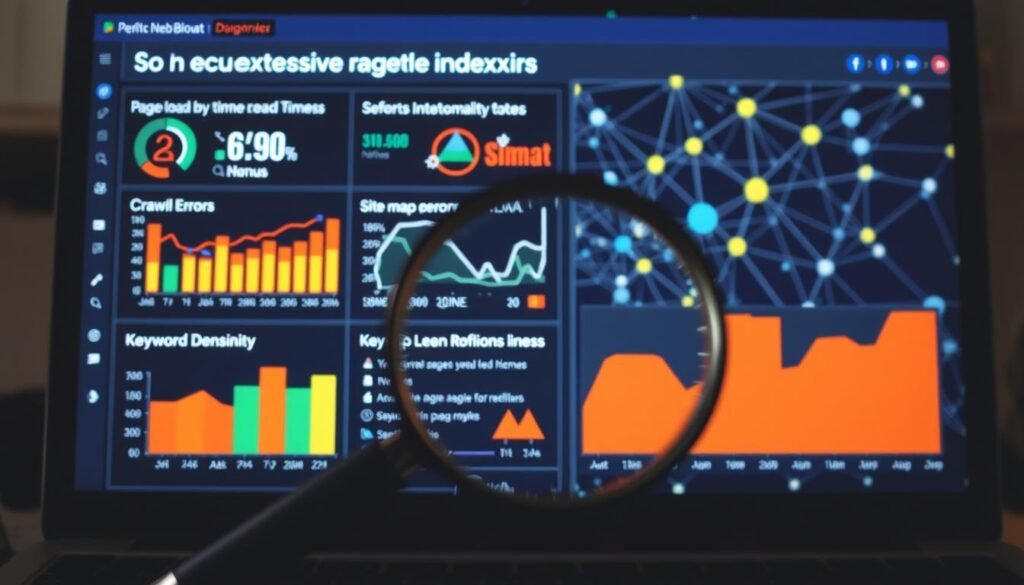
Excessive page indexing can silently erode your site’s search engine performance. When search engines store too many low-value pages, it dilutes your site’s relevance and wastes valuable crawl resources. Diagnosing this issue early is crucial to maintaining a healthy and efficient website.
Utilising Google Search Console and Audit Tools
Google Search Console is a powerful tool for identifying indexing discrepancies. Start by reviewing the Index Coverage Report, which highlights pages with errors or warnings. This report helps you pinpoint pages that shouldn’t be indexed, such as duplicates or thin content.
For a deeper analysis, tools like Screaming Frog can crawl your site and provide a detailed breakdown of indexed pages. These tools allow you to compare the number of indexed pages against your actual quality content, revealing discrepancies that need attention.
Recognising Discrepancies Between Indexed and Valuable Content
One common issue is the indexing of non-value pages, such as login or thank-you pages. These pages often lack meaningful content and should be excluded from search results. Using noindex tags or robots.txt directives can prevent them from being indexed.
Another red flag is the presence of duplicate content. For example, if your site has multiple URL versions of the same page, search engines may index all of them, leading to clutter. Implementing canonical tags can resolve this issue by specifying the preferred version.
Regular audits are essential to stay ahead of potential problems. By comparing the number of indexed pages against your valuable content, you can identify and address discrepancies before they impact your search rankings. For more insights, refer to this comprehensive guide on deindexing pages effectively.
AI index bloat: Leveraging Artificial Intelligence for Optimisation

In the ever-evolving landscape of digital marketing, identifying and resolving inefficiencies in your site’s structure is crucial. One of the most effective ways to tackle these challenges is by using advanced tools that can scan and detect low-value or duplicate pages. These tools not only save time but also enhance your site’s overall performance.
How Technology Detects Low-Value and Duplicate Pages
Advanced tools use sophisticated algorithms to analyse your site’s content. They can differentiate between valuable pages and those that add little to no value. For example, duplicate pages or those with thin content are flagged for review. This process ensures that your site’s index remains clean and efficient.
These tools also identify technical issues, such as improper use of meta tags or missing canonical tags. By addressing these problems, you can prevent unnecessary pages from being indexed. This not only improves your search engine rankings but also enhances the user experience.
Automating Content Audits with Advanced Tools
One of the biggest advantages of these tools is their ability to automate content audits. Instead of manually reviewing each page, the process is streamlined, saving you significant time. For instance, Moz Whiteboard Friday highlights how automation can identify weak pages that affect performance.
- Flags pages that do not meet quality benchmarks.
- Differentiates between valuable and redundant content.
- Provides actionable insights for optimisation.
By deploying these tools, you can free up manual audit time and focus on strategic improvements. This approach not only accelerates the diagnosis process but also ensures long-term SEO success. For more insights on how technology can optimise supplier relationships, refer to this comprehensive guide.
A Step-by-Step Guide to Cleaning Up Your Site’s Index

Maintaining a clean and efficient site structure is essential for optimal search engine performance. Over time, your site may accumulate unnecessary or low-value pages, leading to index bloat. This guide will walk you through the process of identifying and resolving these issues to ensure your site remains lean and effective.
Conducting a Comprehensive Content Audit
Start by reviewing all the pages on your site. Use tools like Google Search Console to identify pages with low traffic or thin content. These are often the culprits behind index bloat.
Next, categorise your pages into three groups: keep, update, or remove. Pages with high traffic and valuable content should be kept. Those with outdated information can be updated, while duplicates or irrelevant pages should be removed.
Case studies show that websites with excessive indexing often experience a drop in search engine performance. Regular audits help prevent this issue by keeping your site’s index clean and relevant.
Implementing Noindex Directives and 301 Redirects
For pages that shouldn’t be indexed, use noindex tags. This ensures search engines exclude them from their index, freeing up resources for more important content.
When removing pages, implement 301 redirects to consolidate their authority. Redirect users and search engines to a relevant page, ensuring a seamless experience. This step is crucial for maintaining your site’s SEO performance.
Finally, update your XML sitemap to reflect these changes. A well-structured sitemap improves crawling efficiency and ensures your site remains search-engine-friendly.
Optimising Your Website Architecture to Prevent Index Bloat

A well-structured website is the backbone of effective SEO performance. By enhancing your site’s architecture, you can ensure that search engines crawl and index your content efficiently, avoiding the pitfalls of index bloat. This section explores practical steps to optimise your URL structure, navigation, and XML sitemaps.
Enhancing URL Structure and Navigation
Your website’s URL structure should be clear and logical. Avoid using unnecessary parameters or lengthy strings that confuse both users and search engines. Instead, create short, descriptive URLs that reflect the content hierarchy. For example, use /blog/seo-tips instead of /blog?id=12345.
Intuitive navigation is equally important. Ensure that users and search engines can easily find and access your most valuable pages. Use breadcrumbs, internal linking, and a well-organised menu to guide visitors through your site. This not only improves user experience but also helps search engines understand your content better.
Utilising XML Sitemaps for Efficient Crawling
An XML sitemap acts as a roadmap for search engines, guiding them to your most important pages. Regularly update your sitemap to include new content and remove outdated or irrelevant pages. This ensures that search engines focus on high-value content, reducing the risk of bloat.
Additionally, submit your sitemap to tools like Google Search Console to monitor its performance. Case studies show that websites with well-maintained sitemaps experience faster indexing and improved search rankings. For more insights, refer to this guide on index bloat diagnosis and solutions.
“A clean and organised website architecture is essential for both user experience and search engine efficiency.”
By optimising your website’s structure, you can prevent index bloat and ensure that your site remains search-engine-friendly. Focus on creating a seamless experience for both users and search engines, and you’ll see a noticeable improvement in your SEO performance.
Embracing Content Audits for Long-Term Index Health

Ensuring your website’s long-term health requires consistent attention to its content structure. Regular audits help identify and resolve issues like duplicate or outdated pages, which can lead to index bloat. By addressing these problems, you can maintain a clean and efficient index, improving both search rankings and user experience.
Reviewing and Consolidating Duplicate Content
Duplicate content is a common issue that can dilute your site’s relevance. Start by using tools like Google Search Console to identify pages with similar or identical content. Once identified, decide whether to merge, update, or remove these pages. Consolidating similar pages not only reduces clutter but also enhances the overall value of your content.
For example, if you have multiple blog posts on the same topic, consider combining them into a single, comprehensive guide. This approach ensures that users and search engines find the most relevant and up-to-date information. Additionally, use canonical tags to specify the preferred version of a page, preventing search engines from indexing duplicates.
Utilising Audit Tools for Hidden Issues
Advanced audit tools can uncover hidden duplications and thin content areas that manual reviews might miss. These tools analyse your site’s structure, flagging pages that do not meet quality benchmarks. By addressing these issues, you can create a leaner content strategy that improves search engine perception.
Regular audits also help you stay ahead of potential problems. Establish a periodic review schedule, such as quarterly or biannually, to ensure your site remains optimised. For more insights on maintaining a healthy index, explore these high-level SEO tactics.
“A well-maintained content strategy is the foundation of a healthy and efficient website.”
By embracing content audits, you can prevent future indexing issues and ensure your site remains search-engine-friendly. Focus on creating valuable, unique content, and your SEO performance will thrive.
Final Reflections on Improving Your SEO Performance
Addressing the challenges of unnecessary page accumulation is essential for maintaining a streamlined and efficient site. By focusing on regular content audits and optimising your site’s architecture, you can ensure that only high-value pages are prioritised. This approach not only enhances your search rankings but also improves the overall user experience.
Using tools like Google Search Console helps identify and resolve technical issues, such as duplicate or thin content. Implementing noindex tags and 301 redirects further ensures that your site remains lean and relevant. These steps are crucial for preventing clutter and maximising your crawl budget.
Experts like John Mueller emphasise the importance of maintaining a clean index. Case studies show that sites with organised structures consistently perform better in search results. By applying these strategies, you can achieve long-term SEO success and keep your site competitive.
Take the time to review your site’s content and structure regularly. Experiment with the recommended tools and techniques to see tangible improvements. A well-maintained site not only ranks higher but also delivers a seamless experience for your users.
FAQ
What is index bloat and why does it occur?
Index bloat happens when search engines index too many low-value or duplicate pages on your site. This often results from poor URL structures, duplicate content, or unnecessary parameters in URLs.
How does index bloat affect my site’s crawl budget?
When search engines waste time crawling low-value pages, they may miss important content. This reduces the efficiency of your crawl budget and can harm your site’s visibility in search results.
What tools can I use to diagnose index bloat?
Tools like Google Search Console and third-party audit tools can help you identify discrepancies between indexed pages and valuable content. These tools provide insights into which pages are being indexed unnecessarily.
How can AI help prevent index bloat?
AI can detect low-value or duplicate pages by analysing content patterns. It automates content audits, saving time and ensuring your site’s index remains clean and efficient.
What steps can I take to clean up my site’s index?
Start with a comprehensive content audit. Use noindex tags for low-value pages and implement 301 redirects for duplicates. This ensures search engines focus on your most valuable content.
How can I optimise my website architecture to prevent index bloat?
Improve your URL structure and navigation to make it easier for search engines to crawl. Use XML sitemaps to guide them to your most important pages.
Why are content audits essential for long-term index health?
Regular content audits help you identify and consolidate duplicate content. This ensures your site remains efficient and improves its performance in search rankings over time.
Source Links
- What Is Enterprise SEO? [+ Challenges & Tips for Success]
- CSS Minification: Why It’s Essential For Performance And Caching Efficiency | Martech Zone
- Exploring Chrome DevTools 🚀: Boost your Web Development 🤩👌
- Zomato News: Zomato latest news and recent zomato updates | The Economic Times
- This Week In Chia
- How to conduct a full E-commerce website Audit in 2025 and Optimize for better Digital Marketing Performance
- The DWG Blog
- Troubleshooting a MySQL read replica problem
- Tech Insights – Rise&Inspire
- Software Technology and Business Blog – Webelight
- Rails Query Optimization: Part 2— Advanced Indexing and Query Refactoring
- What is Index Bloat? — Whiteboard Friday
- How to Get Google Reindex a Site Fast: 9 Proven SEO Strategies
- The Moz Blog [SEO]
- Reduce React Native App Size: Best Tips And Strategies
- Best Practices for Scaling a PostgreSQL Database
- Trump’s Dept. Of Education Sets Up Online Anti-DEI Bitchfest Portal
- Media Efficiency Ratio (MER) & Return on Ad Spend (ROAS): What are They & What’s the Difference? | Northbeam Blog
- Planet — WordPress.org
- BoredReading.com